Boundaries? In this Economy?

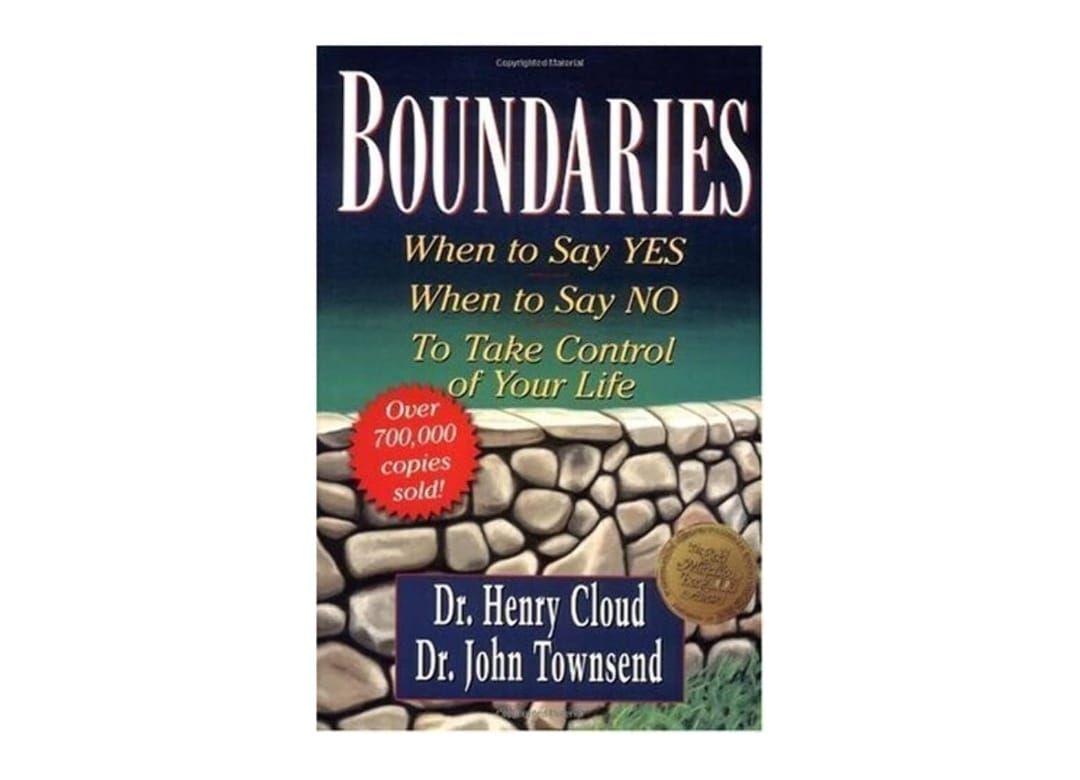
Krispin and DL discuss the 1995 book “Boundaries” by Cloud and Townsend. In this book, readers learn that they have the right to make their own choices (but if they do, God will punish them). We discuss their advice on boundaries in marriage, parents with adult children and more! And yes, this is the the same Townsend who did the Focus on the Family video series about mending relationships with adult children, which we discussed in our summer series.
TW: sexual abuse, domestic violence, suicidality
If you want to hear our series on the developmental impacts of being raised in a high control religion, you can become a paid subscriber at https://www.strongwilledproject.com/ or our STRONGWILLED patreon, where we’re exploring each developmental phase, discussing how religious authoritarian parenting books approached them, what typical development looks like and what the long-term impacts might be from being raised under religious authoritarian parents (in a high control religion).
We'd love to hear from you all about what resonates and anything you'd add to the conversation!
Thank you so much for your continued support!
You can follow STRONGWILED on Instagram. You can follow Krispin on Instagram here and DL on instagram here.
As always, this is a survivor-led and survivor-supported publication. If you appreciate our work (and our ad-free podcast!) please consider supporting us financially or sharing about the podcast on your social media channels.
TRANSCRIPT (edited lightly for clarity).
Krispin: Welcome to the Strongwilled Podcast. I am Krispin Mayfield, and I'm- And I'm- And I'm here with my Co-host. I paused just a little too much.
DL: Oops. It's me, DL Mayfield.
Krispin: It's very appropriate. We're talking about boundaries today, where I end and you begin.
DL: Oh. Oh, God.
Krispin: I know. I'm like, I, I just need to throw a religious trauma warning in here.
We're talking about the book Boundaries by Henry Cloud and John Hair-Dye Townsend.
DL: Why are we talking about this? Is this a Books from the Bad Place redo? Or what's happening?
Krispin: I was gonna say… This is a throwback to... I was like, what was it called? Bad Books?
DL: Books from the Bad Place. We read Evangelical staples and discuss them.
Krispin got a bee in his bonnet. He really wants to talk about boundaries, I think in part because when we brought it up, so many people have been like, "I read that book." Yes. "I liked that book. There are parts I loved about that book." So...
Krispin: Right. Kind of following from the Prodigal Summer Series- Yeah ... because, uh, we talked quite a bit about what John Townsend had to say about parents and their adult estranged children.
DL: Yeah, so that's what this conversation is gonna be couched in, is, like, the current work Townsend is doing is with Focus on the Family and estrangement, giving horrible advice. But he and his writing partner wrote a very best-selling book that has... was sort of, like, the staple, right? For introducing the concept of boundaries to Evangelical Christians and beyond.
Krispin: And beyond, right. Yeah. Yeah. Four million books sold as of today.
DL: Ugh. Think about how many books I've sold. It's like- In the tens of thousands. Oh.
Krispin: And they, I mean, just to rub it in, nine million books of their series.
DL: Oh.
Krispin: Boundaries in Marriage, Boundaries with Teenagers
DL: Oh my god
Krispin: Boundaries with Your Dog.
DL: What?
Krispin: No, I'm just kidding.
DL: God, you got me. You got me. Um, yeah, I'm not depressed at all about this.
Krispin: Right?
DL: It's fine.
Krispin: Yeah. I mean, it, I really think of it as, like, the self-help jump scare religious trauma book.
DL: That's what this is?
Krispin: Yes, because it is... A lot of, like, people out there don't know that it's Christian.
DL: Boundaries?
Krispin: Yeah. They'll just see it, like I saw it at our library recently. Yeah Just, like, out, like, "Learn about boundaries." Um, I was on the C-PTSD Reddit-
DL: Okay ...
Krispin: looking at a thread about boundaries. and, like, so many people were like, "My therapist told me to read this... and I did not know it was full of Bible verses."
DL: Oh.
Krispin: Followed up by people being like, "Well, you should read it anyway 'cause you need to get out of your black and white thinking and be open to other perspectives."
DL: Oh, we have never heard that before, have we? Right? Um, when did Boundaries come out?
Krispin: 1995.
DL: Okay.
Krispin: I read the 2017 version for this podcast addition.
DL: 'Cause I feel like you must have read it earlier.
Krispin: Yeah.
DL: At Multnomah?
Krispin: Yeah. I'm pretty sure it was, like, prescribed, uh, assigned at Multnomah.
DL: Yeah.
Krispin: Um, I remember just being like, "Yeah, this feels pretty basic," so.
DL: Yes. I remember reading snippets in some of my classes at Bible college, But nothing stuck, and there's just this whole genre of self-help in evangelical books that-
Krispin: Mm-hmm
DL: Nothing sticks to me anymore. I read way too many of them.
Krispin: Right.
DL: So, you know.
Krispin: Yeah, exactly. Yeah.
DL: So I'm excited for you to deep dive, 'cause I don't remember a thing about this. A bunch of people have read it, a bunch of people love it, and, um, I feel like you're gonna explain- Some stuff about it to us, though.
Krispin: Yes, yes, definitely. And yeah, we're gonna give an honest review. Um, and I can see why some people liked it, so we'll talk about that.
DL: Okay.
Krispin: But, um, I mean, really, part of it is, like, reading it, I'm like, "Oh, this is written to middle-aged white evangelical women."
DL: Okay.
Krispin: Of course, right? Right, I mean- 'Cause they buy books
DL: that's who's buying books.
Krispin: Right? They start off with this woman, Sherry. She has a strong-willed child.
DL: Ah.
Krispin: Who can't stay seated, and, uh, goes around and talks to other students, but he doesn't have ADHD-
DL: Oh ...
Krispin: because he was assessed for ADHD, and if he's interested in something- Uh-huh ... he can focus on it.
DL: Okay.
Krispin: Which, ADHD therapist here, that's not how ADHD works. Okay. That is, ADHD typically is, you can focus on things that you're interested in. It's really hard to focus on things that you're not interested in. Okay.
DL: So you're saying he still fits the criteria.
Krispin: Yes. Uh-huh. Okay. So she has this ADHD kid. You know, course she needs boundaries.
DL: Uh-huh.
Krispin: She has a mother who demands her time and says, "It's, it's fine if you're too busy. I just spent all my life raising you kids, and I don't really have anything for me."
DL: Wait, this is how the book starts?
Krispin: Yes.
DL: Uh-huh. So, a harried middle-aged woman with a kid and a mom
Krispin: who- Yes, strong-willed child and a mom who's, like, full of guilt trips.
DL: Strong-willed mom.
Krispin: Yep. A husband who avoids her.
DL: Oh.
Krispin: And, you know, doesn't show up for her
DL: Lord, they knew their market.
Krispin: Exactly, right in this beginning section, she yells at everybody in the house, "Dinner's ready." Sherry hated to scream, but what else worked? Where else have we heard that? It's the Dobson rationale, right?
DL: Like, I was gonna say the, this, talking about a strong willed kid in the beginning is very much a dog whistle- Mm-hmm ... to Dobsonian things. So-
Krispin: Right. Exactly
DL: they knew what they were doing.
Krispin: Yes, exactly. And, like, sounds a lot like Dobson. Dobson- Yeah ... talked all the time about moms that would scream at their kids instead of setting boundaries.
DL: Exactly.
Krispin: Um, there is good about this book. They talk about boundaries and give definitions of, like, you're in charge of your own choices, your own life, your own values, um, those sorts of things. And then they give weird caveats about how, like, you don't actually get to make those choices, God does.
DL: Can we just, can we just slow it down?
Krispin: Yes.
DL: Because what do you mean? Are Christians in charge of their own choices, decisions, bodies? We were not given that in any way, shape, or form.
Krispin: Right. Exactly. So I think that's why a lot of people read this, because part of it is they are saying, like, "This is how boundaries works."
And so I could imagine if you read it before you got to the weird part-
DL: Okay ...
Krispin: being like, "Oh, yeah, this resonates. Wow." And they talk a lot about how, um, parents don't have control over their adult children.
DL: Okay.
Krispin: And they go hard, pretty hard on, like, it's, it's not like they don't... They do give a caveat about you should forgive them.
DL: Yeah.
Krispin: Of course, we'll talk about that. But generally it's like- Yeah, you shouldn't you get to make your own decisions your parents don't get to, and you get to decide how much time you spend with them, et cetera. Again, so I think a lot of people are reading this, I could see, especially, you know, if you're in this evangelical world, where nobody's talking about this- Yeah ... it would be helpful to hear.
DL: Okay.
Krispin: Wives shouldn't put up with abusive behavior from their husbands.
DL: That's what the book says?
Krispin: Yep. Great. So, we'll talk about the way that they handle that really poorly.
DL: Oh.
Krispin: But see, I'm like, "Let's talk about the good." Yeah.
But, um, none of this is that good, but, um, at least they're saying, like, naming some abusive behaviors and saying, you know, as a wife, you're allowed to set boundaries. You don't just have to, like, go along to get along.
DL: Okay.
Krispin: Um, this one I thought was really interesting. They talk a lot about, like, how church leaders, um, shouldn't, uh, pressure you to engage.
Okay. So they told stories about the Bible study leader when you miss Bible study that calls you and is like, "Hey, what are you doing?" And then this, you know, it's, of course it's in a story. This family moves to another church, and they miss Bible study, and he calls the Bible study guy to be like, "I'm so sorry I'm not gonna make it."
The Bible study leader is like, "Where are you?" He's like, "I'm on vacation." The Bible study leader is like, "You shouldn't be on the phone with me. Go enjoy yourself!" which feels so, um, like emergent church. Sort of like, "We're, we're the cool church." Yeah. "We're like, we want you to go on vacation instead of Bible study."
You know? Um, not even emergent church, but very kinda like megachurch- Yeah ... vibes, right? And also, they, some of the good stuff in here is that they, um, steal from The Dance of Anger by Harriet Lerner, which is a pretty good book about boundaries, uh, that came out 10 years earlier, more of a feminist psychologist.
DL: What do you mean they stole?
Krispin: Basically, they talk about countermoves, for example. Harriet Lerner, I think, introduced that concept of countermoves.
DL: Do they credit her?
Krispin: Nope. Nope, nope, nope. Right?
DL: Oof.
Krispin: So I'm saying it's good stuff in there. I'm not saying what they did was good.
DL: Okay.
Krispin: They, in a lot of ways, I... And again, this is why I think people were drawn to it, and I think that they do what a lot of evangelical books from this time did, which was naming the actual problem…And then using evangelical theology to try to solve it, and that part doesn't work very well.
DL: Okay.
Krispin: You
DL: know? Yeah, this is a trend we see in Christian publishing
Krispin: Right ...
DL: in evangelical books. So what is the problem then, that they're addressing?
Krispin: Yeah, so I mean, this is like, I mean, they talk about how... Like this, for example, talking about Sherry. She's asked to like volunteer at this, uh, church camp- or church ministry.
Internally she's telling herself, "By giving up a little portion of your life, by letting go of your selfishness, you can make a big difference in some lives. Sherry didn't have to think it over, whether she'd say yes or not. She learned to respond unquestioningly to this familiar voice, just as she has responded to her mother's, and Phyllis's, and God's too." So they're saying like she just automatically obeys, and that's a problem. She needs to have boundaries. Even with God, presumably.
DL: Okay.
Krispin: You know, same with like, with her husband. You know, she's thinking to herself, "If my husband isn't showing up, like, I need to go the extra mile to strengthen our marriage."
And he's saying like, "No, that's not how marriage works." Basically, he identifies all these like poor boundaries,
and I'm like, "Yeah, 100% agree." And then it gets weird.
DL: Okay.
Krispin: Um, 'cause he starts off talking about boundaries, and God has boundaries, so we need to be like God, right? God does not set limits on people to make them behave.
God sets standards, but he lets people b- be who they are, and then separates himself from them when they misbehave.
DL: That's how they sum it up?
Krispin: He says, "You can be that way if you choose, but you cannot come into my house. He respects our no. He neither tries to control or nag us. He allows us to say no and go on our way.”
DL: Oh my God, I'm super fucking triggered right now, because I think this is exactly what's so hard to explain to people who didn't grow up in this world…Be it, you know, white evangelicalism or whatever you wanna call it. My dad would probably say that in a sermon.
And he'd probably just steal it from this book.
Krispin: Right.
DL: But in reality, that is not what they're teaching children in particular about God.
Krispin: Right ...
DL: And so when you read this book, if you're someone like me, you're like, wow, I, yeah, I guess I have a really kinda messed up view of God for some reason…he really is good. It's like, no, I have this messed up view of God because that's what they've been telling me over and over again.
Krispin: Right.
DL: Does that make sense?
Krispin: Yeah. It's like God allows you to go on your way and do your own thing in eternal conscious torment forever.
DL: Yeah, the way that's described to you as a child is horrifying.
Krispin: Right.
DL: And I was taught that God and Jesus and the Holy Spirit were always pursuing us, right? So I would be a prime target to read this book and be like, "Oh yeah, I've somehow gotten it wrong…my view of God is just kinda off.”
Krispin: Right.
DL: No, no, no, no, no, no, no, no, no.
Krispin: Yeah.
DL: That is not what is being taught to children and to teenagers and most people.
Krispin: Right. And also, like, it just, it doesn't follow the actual theology that these people have.
DL: No, but that's what, that's what Christian publishing did. This is, like, their bread and butter.
Krispin: Right. They take something and be like, "Yes, we really see the problem here." Yes. "We assess it accurately." I think about, like, Phillip Yancey in Reaching for the Invisible God. He's like, "Yeah, we, like, we pray for things, and, like, God doesn't heal, and we don't feel close to God, blah, blah, blah."
DL: Serial adulterer Philip Yancey.
Krispin: Yes.
DL: God.
Krispin: Yeah. And that's, I mean, I think that's why it's so important to, to talk about this. And again, I see why people have good memories of this book 'cause it introduced them maybe for the first time to the idea of boundaries.
Yeah. But it's really the, the mind fuckery of evangelicalism.
DL: Well, even going back to our project, it's like why is Sherry saying yes immediately?
Krispin: Right.
DL: Because that was programmed into her. And now I'm assuming this book is gonna be like, "No, no, no, no, no- Right ... you just have to,"
Krispin: Exactly
DL: But-
Krispin: Yeah, yeah, I mean, we'll, we'll talk about it
DL: Who, who programmed Sherry, and who benefits from it?
Krispin: Exactly. Exactly. Um, I wanna talk about some other things that, uh, some basics of boundaries-
DL: Okay ...
Krispin: We are allowed to have our own choices. So we need to realize that we're in control of our own choices. We've been so trained by others on what we should do, uh, that we think we're being loving when we do things out of compulsion.
Who taught us to think about what we should do all the time?
DL: Oh my God.
Krispin: Right? In fact, he says, it, kind of these themes are here, like we're always thinking about we're always thinking about what other people want and not what God wants. Yeah. And that's why we're doing these compulsive things.
I'm like, that's why Sherry feels like she should sacrifice herself for the women's Bible study is because she's trying to people please other people and not because she's trying to please God, like you told us our whole lives, right? That you have to, to be a good Christian, you have to self-sacrifice.
DL: Yeah, I mean, the whole reason these patriarchal Christian spaces, and I, that's what Christian publishing is, that's who Cloud and Townsend are. Christian patriarchists. Sorry if that's news to you. Um, the way this all continues on is by getting people to have zero boundaries with this patriarchal God.
That just so happens to privilege and prioritize men. Right. And, right, the continuation on of the church that runs on the labor and lack of boundaries of women.
Krispin: Right.
DL: Okay?
Krispin: And children. Well, you're allowed to have boundaries with this deity. You just have to suffer eternally if you do.
DL: I, I just, I wanna say one thing really quick before you keep going How many millions of copies of books have they sold?
Krispin: 4 million.
DL: 4 million?
Krispin: 9 million of the whole series.
DL: 9 million. I don't even know how many millions of copies Dare to Discipline and The Strong-Willed Child have sold, but it's like this is a huge circle jerk.
Krispin: Yes. And we've talked about this before, this is the book that gets bought once, sits on the church bookshelf, and is read by 30 people.
DL: Well, same with Dobson. So Dobson's books are teaching parents how to make sure their children have zero boundaries- with this patriarchal- Mm-hmm ... God and parents authority, blah, blah, blah. Then those people end up struggling in life. Then they read Cloud and Townsend.
They're like, "Oh, I just for some reason have a weird concept of God. I'll just try harder. We're gonna..." You know. Then they're doing the same thing to their kids. Their kids will grow up, read about, like-
Krispin: Yep ...
DL: it's a machine.
Krispin: Yeah. I really wanna read you this part about how we get to have our own values.
DL: Okay. Is this gonna enrage me?
Krispin: Yeah. And I think that this is... I, I just, I have to read this because it really I think illustrates the, what would you call it? Like, the mixed messaging, the, uh, I wanna give it, like, a negative connotation. Just the mind fuck that it is.
DL: Well, I have a great idea for this.
Krispin: Uh-huh.
Uh-huh.
DL: Do you remember the purity culture sermons, right? Where they're talking about if you mix a little bit of poop in with your ice cream-
Krispin: Uh-huh ...
DL: like, doesn't that, do you still wanna eat the ice cream? Right.
Krispin: Yeah. Uh-huh.
DL: Well, let's take that for this book, okay? Yeah, that's right. Exactly. Oh, my gosh.
Uh, let's do that. So now we're eating shit ice cream. Yeah. Go for it, Krispin.
Krispin: Right. So, um, yeah. We get, we get to choose our own values. He says, "When we identify our values that we get to choose, we can receive help from God and his people to create a new heart within us. Boundaries help us not to deny our values, but to own our own old hurtful values so God can change them."
DL: What? Does what?
Krispin: Yeah, exactly. You're like, "What?" What? You get to choose your own values, so if you say what your values are, then that opens you up to God changing what your values are.
DL: Oh, my God.
Krispin: Right? We get to have our own desires. The Bible says we're commanded to play an active role in- No ... seeking our desires.
DL: The heart is sinful- Right ... and deceitful above all else. That is-
Krispin: Mm ...
DL: those are the verses we are getting taught constantly.
Krispin: Right. Well, this is what he says. He says, yeah, we're allowed, w- like, we really need to, like, pursue our desires for fulfillment in life. This is a psychological idea.
Yeah.
Krispin: Right? He says, "But why are there so few satisfied people around?
We d- if we do not actively seek our desires from God, those desires won't meet our needs." So he's like, you get to choose your desires, but if you choose them, they will be wrong, and if y- you need to choose God's. Can I
DL: just, can I just say something?
Krispin: Uh-huh.
DL: Do you think most people were reading this book and being like, "Yay, I get to get in touch with my values, my desires," or do you think they're latching on to all that stuff at the end-
Krispin: Right,
DL: totally, that's like, it has to be in line with God's or I'm doomed, I'm doomed, I'm doomed. I'm doomed.
Krispin: Right. I mean, it really is.
DL: know what I would've done. I would've latched onto that last bit.
Krispin: Right. It's so insidious.
DL: It's very insidious, but once you see the pattern, and I think this is why you in particular have a passion for these books written by therapists-
Krispin: Mm-hmm
DL: um, who have this religious authoritarian bent- Mm-hmm ... because of how insidious it has been.
Krispin: Yes. Right. Totally. Yeah. Yeah. We get to have our own thoughts, so-
DL: No. No, we don't.
Krispin: Yeah. It's very important that we don't swallow other people's opinions and reasoning. We need to think for ourselves. We should never give our minds over to anyone.
What? We are to weigh things for ourselves. We are to be separate thinkers. We must clarify distorted thinking so that we can assimilate new information so that our thinking adapts and grows closer to reality. So he says we need to be taking in new information so that we have a clear view of reality.
You know how we do that? We need to grow in the knowledge of God and His Word. David said, "Of knowing God's Word, my soul is consumed with longing for your laws at all times. Your statutes are my delight. They are my counselors," Psalm 119:20
DL: I hate these men.
Krispin: Right?
DL: I hate them because This, this is just what it was like to be me for so long. Thinking like, wow, I'm, like, living my life on my own terms, but it had to be in line with what Jesus said- Mm-hmm ... what God said, what the pastor said.
Krispin: Right.
DL: What these Christian psychologists... You know?
Krispin: Yeah. Yeah.
DL: Now, that's really shitty.
Krispin: Yes.
DL: Now, as someone who's been in actual therapy now for quite a bit, this seems really bad.
Krispin: And going back to the C-PTSD Reddit.
DL: Yeah ...
Krispin: thinking about all the people that have gone to trauma therapists who then recommend a looking for a non-Christian therapist- Yeah ... that's like, "You need to read this book."
DL: Yeah.
Krispin: God
DL: damn ...
Krispin: right? Okay, last thing, um, in this section, uh, to understanding boundary problems.
Our problem with boundaries is our resistance to accept God's authority. We contribute to our own boundary development problems by our own depravity. We inherited it from Adam and Eve. It is our resistance to being creatures under God, our resistance to humility, and it's our refusal to accept our position.
DL: This is literally what dictators say.
Krispin: Yeah.
DL: This is what Trump is saying right now. Your life sucks because you're refusing to comply with the way I say things should be going. You know what I mean?
Krispin: Right,
DL: yeah. It's so obvious.
Krispin: Yep. Yeah.
DL: And God's the ultimate authoritarian, you know? Right. And then therefore, people just I think have given this book a pass because they're saying, "God."
Krispin: Right, yeah.
DL: You know?
Krispin: Exactly, yeah. Yeah.
DL: Just change it for Allah and just see how people would deal with this book. That’s the suggestion I have.
Krispin: I love that.
Of course, there's this big Republican conservative capitalist theme of, like, you know, you have to set boundaries around people. If you support them, they won't work hard, you know.
DL: What do you mean?
Krispin: He says, "Paul is not kidding in 2 Thessalonians 3:10 when he says, 'If anyone will not work, don't let him or her eat.' God does not enable irresponsible behavior. Hunger is a consequence of laziness."
DL: Oh, God.
Krispin: So, I mean, that hits on the stuff we talked about with the Summer Prodigal Series, right?
DL: He hates socialism, I'll tell you that.
Krispin: Yep. He tells stories about, you know, this couple who their son dropped out of school, and they pay for everything. I think that there are places for boundaries, but this really lends itself to that.
DL: So they're trying to, so they're trying to get all of their target market audiences.
Now, I have been on Facebook in the, in the mean streets- Mm-hmm ... you know, of James Dobson Family Institute, all this stuff, and I keep seeing these ads for these new books about, like, when your adult child disappoints you or something like that. Okay. Uh-huh. And it's kind of like, yeah, you have to learn to set boundaries with these adult children. The parents talking about this seem like really fun people.
Right.
DL: Um, but this is a whole thing, right? As estrangement is on the rise, as all this is on the rise, they are definitely gearing towards the estranged parents in this community, like you need to set boundaries with your wayward child, and protect yourself and let them, you know. The whole let them theory. I'm seeing the threads of it here in boundaries. And none of it's good.
Krispin: No, no. Not at all. There's this whole, like, section about, you know, Galatians 6:5, each one should carry their own load. He says, "Problems arise when people act as if their boulders are daily loads and refuse help, or as if their daily loads are boulders that they shouldn't have to carry."
DL: Okay.
Krispin: And I feel like that's, like, a jab at, like, you know, Gen Z thinks that they shouldn't have to work- Yeah ... sort of whatever. Yeah, okay.
You know? But really, like, they just don't wanna work shitty jobs, where they don't get paid enough rent.
DL: Yeah.
Krispin: I could be reading that into it, but I mean, I think it's just, yeah, just so much, um, religiously coded conservatism.
DL: I still don't have my, wrap my head around what are they saying boundaries are
Krispin: Boundaries are what you are responsible for which includes making your own choices and values …in the way that they're saying that. And then what someone else's responsibilities are.
DL: Okay.
Krispin: And really what they are sort of saying, even though, as we just talked about, they're not saying it, everyone gets to make their own choices for their own life.
DL: Yeah.
Krispin: That's what they're, that's kinda what they mean by boundaries.
DL: Okay.
Krispin: Even though they don't actually believe that.
DL: 'Cause yeah, nobody in these communities believes that.
Krispin: Right, but that's what they kinda, that's the framework that they're saying.
DL: Yeah,
Krispin: okay. You know? They talk a lot about property…like your, your property line is your responsibility, and then when it gets to the fence, you, someone else's property is their responsibility.
DL: okay.
Krispin: So how do you identify what's within your property lines?
Now I wanna talk about marriages. Trigger warning for domestic violence, controlling relationships. Um, we're gonna talk about sexual abuse, we're gonna talk about suicidality here.
DL: Okay, okay.
Krispin: So just heavy stuff. Um, but basically they talk about, like yeah, there needs to be boundaries in marriage starting off with skin boundaries.
So you shouldn't touch your spouse without their consent.
DL: Okay.
Krispin: Um-
DL: Seems good ...
Krispin: right. Physical boundary violations can range from hurtful displays of affection to physical abuse. I don't know if they mean, like, sexual assault when they say “hurtful displays of affection,” because they don't talk about sex at all, which is a big problem. They don’t talk about consent around sex.
…But they are saying this physical boundary is very important because the Bible says that the husband and wife have authority over each other's bodies.
DL: Okay.
Krispin: Like, again, this like, you just said that- What? ... you have authority over your own body.
DL: Yes. But if you're in a Christian marriage, you willingly gave that up, right?
Krispin: Yes. “This is a mutual authority given freely.”
DL: Okay.
Krispin: That's all he says.
DL: That's it? The Bible does say the man has authority over his wife, so.
Krispin: Right. And they talk quite a bit about abusive relationships, mostly around, like, drinking is basically the only behavior that they talk about.
Okay. So they'll say, like, if your husband won't stop drinking, take the kids and stay someone out- somewhere else for a night to, like, let them know that you're serious sort of stuff.
DL: That's it? By the way, do you know that most- Fatal domestic violence incidents happen when the woman's trying to leave with the kids. And they don't talk about that at all?
Krispin: Nope. Nope. And this, again, was written in, this, this was updated in 2017.
DL: Yeah.
Krispin: So they should have that information. They say this: "People who have been in abusive relationships need to find a safe place to begin to thaw out emotionally."
DL: Okay.
Krispin: “…Sometimes in abusive marriages, the abused spouse needs to keep emotional distance until the abusive partner begins to face his or her problems and become trustworthy."
DL: Okay.
Krispin: This all just feels so, like, tentative. You know? Like, like, what do you mean thaw out emotionally? Like, that's really about the abused partner's emotional internal world.
Really, if there's an abusive relationship that's happening, the person who's abusive needs to be stopped.
DL: Yeah, it sounds like they're just talking about, like, Gray Rock until the abuser shapes up.
Krispin: Right, yeah. You should... And it does say, like, "You should not continue to set yourself up for hurt and disappointment… To continue to open up yourself emotionally to abusive or addicted person without seeing true change is foolish."
DL: Okay.
Krispin: So, basically they really put the, like, responsibility on the abused wives. They say, "How many marriages could have been saved if one spouse had followed through with the threat, 'If you don't stop drinking, or coming home at midnight, or hitting me, or yelling at the kids, I won't leave you until you get some treatment?'"
DL: But I'm just saying we, that's like where most of the fatal violence happens.
Krispin: And that aside, I mean, the message that I really hear in this is if your husband is being abusive it's because you haven't set appropriate boundaries.
DL: Yeah.
Krispin: You know? It's your problem.
DL: Also, where are people supposed to go? Republicans have decimated social service nets-
Krispin: Right. And just to note- ... for women and children ... that we're talking about people in patriarchal church circles.
DL: Exactly.
Krispin: Right? Like, that context. I mean, they tell this story 'cause they-
DL: Where divorce is a sin.
Krispin: Right. They- I don't
DL: know. What, do they talk about divorce
Krispin: at all this? They never talk about divorce. Oh. Here, and okay, so keep that in mind as I tell this story, 'cause they never talk about divorce. Okay?
DL: They couldn't.
Krispin: Right. So, um, they talk about this woman, um, who grew up in a controlling family, a Dobson family, if you will.
They don't say that, of course. She then married a very self-centered man who controlled her with his anger. So this is a domestic violence situation.
Krispin: After many years, depression caught up with her and she ended up in one of our hospitals. So we're assuming that she is experiencing suicidality.
They're saying because of this abusive relationship. Through the treatment in the hospital, she learned that she needed to have boundaries so she could set a boundary with her husband. So she sets a boundary with her husband with a therapist there. He screams at her. She says, "Well, this isn't gonna work… He just screams at me, even with a therapist here." And they say, “but over time she learned that if she kept setting the boundary, then her husband learned that he needed to respect her boundaries, and she saved her marriage.”
DL: What?!
Krispin: Yes. Yes. Woman in an abusive marriage admitted to a hospital for suicidality, she needs to get better at telling him no, and even when he screams at her when she says no, she just needs to keep going.
DL: This is more nefarious than I thought.
Krispin: Yeah. Right. That's why I was like, "I gotta give all the trigger warnings for this section."
DL: Oh, my God. Oh, no.
Krispin: So just, I, I think that, like, I mean, we're gonna leave it there.
DL: imagine being someone who is in a desperate situation. You're reading this book.
Krispin: Right. Uh-huh.
DL: And that's the advice given to you.
Krispin: Right. Exactly .I mean, there are so many points where they could, for one, give actual information about domestic violence- And how to get help
and controlling.
DL: But saying this is because you don't have boundaries?
Krispin: Right, and it's your job to do that work to save your marriage.
DL: I just think about me with my parents. I have such a hard time standing up to them because their abuse has shaped my response to them.
Krispin: Right.
DL: And that's just so cruel to be like, imagine telling six-year-old me, like, "You should have had better boundaries with your parents." You know?
Krispin: Right, exactly.
DL: And it's like, what?
Krispin: Uh-huh. Yeah.
DL: This woman, I'm assuming, was groomed to be a patriarchal wife, From the beginning. Right, exactly.
That's what Dobson's whole thing was. Right. Uh-huh. That's what, that's what positive eugenics is, you know? And- Right ... and divorce was never an option. And so of course this is gonna be the horrific advice given, I guess. But it's still really upsetting.
Krispin: Right, yeah. Yeah. Speaking of that, I wanna transition into parents and adult children.
So they start off with this vignette that feels like something I would write in a book that I wanna write…
DL: Okay.
Krispin: Basically about this woman who just really has a hard time even, like, keeping her words about her when she's talking to her mom when it comes to trying to be assertive.
DL: So she has a hard time being assertive. Okay ... holding boundaries with her mom. She's, says, "Wendy couldn't understand it. All those codependency books she'd read, all those online assertiveness tutorials she'd watched." See, it's the updated version.
Ooh.
Krispin: "All the self-talk she'd rehearsed about being more confrontive, and yet every time she talked to her mother on the phone, all the advice, all the self-help techniques melted away into vague, cloudy memories, and she'd just fawn."
Basically. They don't use that word.
DL: I mean, that sounds familiar. Right? And I'm sure to people listening to this podcast, that might feel familiar to a lot of you.
Krispin: Right. Yes. And so then they go into, well, why does this happen? And they say it's because parents didn't have good boundaries with their children when they were children.
And, um, when a toddler is during the toddler age, they need to have their own autonomy, make their own decisions, and be their own person. They say that the main problem with this is that mothers want children to be needy on them, and they have a hard time letting their kids be independent.
So it's helicopter parenting?
Krispin: Yes.
DL: Now, that is a thing that comes up so much in these books. They blame helicopter parenting.
Krispin: And they blame mothers. They blame mothers ... for being too emotionally close, not fathers for, or, like, either parent for punishing autonomy violently.
DL: But being a helicopter parent doesn't make your kid fine.
Krispin: Right, exactly.
DL: None of this is making sense to me.
Krispin: Yes, exactly. And then, again, this doesn't make sense, then they shift into talking about, um, parents need to firmly and consistently set realistic boundaries, um, with toddlers, um, but without spoiling their enthusiasm. So they say things like, "You have to accept your child's anger and talk through it."
DL: Oh, that's very different from Dobson.
Krispin: right. They say, "Sometimes, uh, parents misunderstand toddlerhood as a selfish stage, but it's normal development."
DL: What?!
Krispin: Yeah.
DL: This must piss Dobson off ...
Krispin: yeah. He says, basically like, a lot of parents, um, tell themselves this story about like, "Well, that's the old sinful nature rearing its ugly head in my little girl."
"Children desperately need to know that mine, my, and me aren't swear words." He’s doing this again, he's bringing in, like, solid psychological information.
DL: Writing a book for the same publishers that only publish books about discipline where it's like, "Your child is sinful."
Krispin: Right.
DL: You must set boundaries and then punish your child every time they cross those boundaries."
Krispin: Yeah. They talk about like, "Parents need to help their child feel safe enough to say no, thereby encouraging- No ... his or her own boundaries." No. No.
DL: No.
Kids are never safe to say no to their parents in these homes.
Krispin: Exactly.
DL: And he never talks about corporal punishment?
Krispin: Nope.
DL:This is so fucking disingenuous.
Krispin: Right.
DL: I don't even know what to say.
Krispin: Exactly. Yeah. Uh, and then he also says like, um, yeah, "Children need to be under the authority and control of their parents, but when parents punish their child for his growing independence, he will usually retreat into hurt and resentment.
God's discipline teaches, not punishes. God disciplines us for our good in order that we may share in His holiness." So he's saying like-
DL: Whoa ...
Krispin: allow your kid to have independence, but also discipline them, which is-
DL: And then he literally said, "For your own good."
Krispin: For your own good, which is, punishment is indistinguishable from discipline for kids when it comes to corporal punishment.
DL: Yeah. These are just, these are just statements that- Right ... people can find a lot of wiggle room in and-
Krispin: Yeah. So then shifting into, um, parents and their adult children, he says that parents don't have control over their kids. Because they then have a new father, Father God.
DL: Okay. When does that happen? When does that authority transfer?
Krispin: Uh, let's see. When the kid hits adulthood.
DL: Yeah, but that's the whole thing. That's the way Dobson, all these people couch it in right? Is if you get, if you indoctrinate the kids right before the age of five ideally, or eight- Mm-hmm ... you know, um, then they'll always be under the authority of God, right?
Right. And you will always be higher up on that ladder- Right ... so the kids will always have to be obedient to you, and that's called a legacy.
Krispin: Yes, right. Many times we are not obeying the word of God because we have not spiritually left home. We still need to please our parents and follow their traditional ways of doing things rather than obey our new father, God.
DL: What?
Krispin: Yeah.
DL: Again, children and we are being taught they are one and the same. We are not being taught any different.
Krispin: Right, yeah, uh-huh.
DL: And so now to say like, "Oh, there is a difference. It's kinda your fault for not knowing that." "You just have to follow God."
Krispin: Right.
DL: Like, okay.
Krispin: Yeah.
Basically, there's this part about, like, if your family is enmeshed, then, um, and your par- your kids haven't really separated from you, um, then they'll need to spend some time building boundaries and spend some time apart. Um, time apart usually improves their relationships with their parents. It's funny because I remember hearing this from my dad.
Okay. Being like, "It's okay that you need to, like, go and do your own thing." Yeah. And I remember I had, uh, another family member that always talked about, like, leave and cleave. You have to actually leave, but it didn't matter. They still thought that they could tell me what to do.
DL: Oh my God. I remember, I remember when I was in Bible college, I'd been out of the house for a few years, but, like, I had to move back home. This was right around the time I met you. And my mom would ask to, like, read the papers I was writing for Bible college, and I'd be like, "Sure." And then anytime I differed from, like, her view, she would cry hysterically. She would wanna talk about it for hours.
And I was like, "Wait, what?"
Krispin: Right.
DL: You know?
Krispin: Yeah,
DL: yeah. And there's no way she would've read this part of the book and been okay with it. You know what I mean? Mm-hmm, right. I'm just gonna say that.
Krispin: Yeah. This heading, uh, this section really cracked me up. What if your only friends are your family?
DL: Oh.
Krispin: So, like, what if your parents are your only friends as, as an adult?
DL: Oh.
Krispin: He says it's un-Biblical. Um, no one be- can become a truly Biblical adult without setting some limits, leaving home, and cleaving somewhere else. Otherwise, we never know if we have forged our own values, beliefs, and convictions, our very identity, or if we are mimicking the ideas of our family.
DL: Mm. I think they wanted the mimicking
Krispin: though.
Yes, right.
DL: Pretty sure that's what it was all about.
Krispin: So then, yeah, they're like, "Okay, well, what do you do if your parents are controlling?"
DL: What do you do, Krispin?
Krispin: “Bring a friend or supporter along.”
DL: Okay.
Krispin: “Be aware of your pull towards hurtful situations and relationships. The injury you are recovering from is serious, and you can't reestablish a relationship until you have the proper tools, which is just, they just say, like, set boundaries.”
Yeah. Be careful not to get sucked into controlling situations again because your wish for reconciliation is so strong.
DL: Okay.
Krispin: What they're saying is, like, if your parents are controlling, bring a friend with you?
DL: To help you set boundaries
Krispin: in the moment? I guess so, yeah. Yeah. Okay. Um, or a supporter. Okay.
You did that for me and it ended up with my dad yelling.
DL: Yeah.
Krispin: You know? It sh- it's just so weird. Maybe don't
DL: bring an autistic person as your supporter 'Cause they'll say the truth-
Krispin: Right ...
DL: and get everybody mad and...
Krispin: Um, and then they say you need to forgive the aggressor. Of course. You gotta forgive your parents.
DL: Oof.
Krispin: Nothing clarifies boundaries more than forgiveness. When you refuse to forgive someone, you still want something from that person, and even if it is revenge that you want, it keeps you tied to that person forever.
DL: That's not true.
Krispin: “Refusing to forgive a family member is one of the main reasons people are stuck for years.” It's nonsense
DL: Did, did an abuser write that?
Krispin: Right?
DL: Because, can I just say my shit for one second?
Krispin: Of course.
DL: Unforgiveness is just an emotion. It's an emotion you're gonna experience throughout your life. It doesn't signify anything. It's not a fucking soul tie or whatever they're saying it is.
Krispin: Right.
DL: It's a normal human response, and this is horseshit. Horseshit designed to privilege abusive people. So that's what I'm gonna say about that.
Krispin: Right. Yep. Um, this isn't in this section. You know, he says, you know, "Bring someone with you. Um, forgive your parents." I think that this is what you should do with your parents using their words.”
DL: Wait, this is Krispin now?
Krispin: This is Krispin using their words.
DL: Okay
Krispin: "As Paul says, 'A man reaps what he sows.' If we act lovingly towards others, we will have closer relationships. On the negative side, if we sow idleness, irresponsibility, or out-of-control behavior, we can expect to reap poverty, failure, and the effects of loose living.”
These are the natural consequences of our behavior." He threw some, like, you know, economic stuff in there. Okay. But he's also saying if you are kind and loving towards the people in your life, then you will have good relationships with them. If you don't, then you probably will lose those relationships.
DL: hey, we agree on something. We agree on something. We- you reap what you sow. I've been on record, my favorite biblical theme to this day is that one.
Krispin: Yes.
DL: The things you do to your children when nobody's watching, they will come back to haunt you.
Krispin: And I would also say that's really true for a lot of people, and for a lot of people, they're like, "We could repair that if you would actually treat me like an adult and a decent human being.”
DL: But people who get sucked into abusing their kids early, they, a lot of them refuse to do that work.
Krispin: Right.
DL: So.
Krispin: Yeah. So I wanna wrap up with this last part. Yeah, behaviors have consequences. What natural consequences do you think that we should stop enabling people around in society right now?
DL: Well, before we get to that, what do they say? That's just kind of it? Like, you have to be loving and kind?
Krispin: Right. And, like, the, I- I tried to make sense of the last part of the book where they, like, set boundaries, and it's stuff like, um, you don't wanna set boundaries 'cause you don't wanna change because of your depraved heart and, uh, stuff like that.
You know? Just like, the problem is you, not that you are part of this hierarchical system where nobody wants you to set boundaries of, you know, with your husband, with your religious leader, with God, with your parents.
DL: Well, I feel like I'm about to have a meltdown. So do you really wanna hear what I think, what boundaries we should be setting with Christian patriarchlists in our lives, and in society?
Krispin: Yep.
DL: You ready?
Yep.
DL: Stop interacting with them on the terms they have set. That they are good people, that they are loving people. They aren't, okay?
DL: I live in Oregon, where yesterday three children were shot and killed in an elementary school, okay? Why?
Why did this happen? Because conservatives keep voting against any kind of gun reform. And it made me think about how when I was a teenager, when I was in high school and Columbine happened, everyone in my youth group, my parents, they latched onto this narrative that if a school shooting happened, I would need to take a bullet to the head rather than deny Christ, and that was the main message they promoted to me.
They didn't vote for gun control. They didn't vote for gun reform. In fact, they clung ever more fiercely to this belief that people deserve, men deserve access to guns, and that I should be prepared to die for Christ. If I wasn't prepared to die for Christ, I was not a good Christian.
DL: I was already denying Jesus in my heart. I would probably go to hell when I died. This is just one example of the ways these kinds of people have totally fucked over our society. And now I'm the parent of two school-aged children, and I have to think about this shit all the time. My dad never had to worry about that when he was in school. And when his own kid had to worry about that in high school, what did he do? He became more adamant about gun rights than ever before.
KrispinYou did a drama, a play about it.
DL: I was in a play as a senior in high school about school shootings, and it really, really, really impacted me. My dad surrounds himself with people who love guns. My dad has guns. He's just a coward. He's a coward obsessed with this idea of personal freedom and responsibility for him and his cronies, and he doesn't give a shit about anyone else. This is just one example. I could go on and on and on and on. But I set a boundary with my parents for so many reasons. But that's just one example of what it's like to be in relationship with people who are so far gone.
They have no empathy. And in fact, they've said over and over again, kids are collateral damage in the rights of men to own as many guns as they want. Guns designed for killing humans. Is it any surprise? I mean, our government supplies Israel, you know what I mean? Like, we're involved in all these conflicts, including now against Ukraine. It's just like... And it's here in America, too. I am so filled with anger.
DL: at how these people have gotten away with these horrific policies, that specifically target women and children in the United States, and they have been, um, for so many decades. And yet we're supposed to go have Thanksgiving with them- Mm ... and act like they're the most loving, caring people. They get to vote against bodily autonomy for women, and then we're supposed to say, "Oh, you love children"?
Fucking prove it if you want me to treat you like that. And I eventually got tired, and I couldn't fake it anymore.
I think they are people who don't give a shit about anyone outside of their own little community, and yet they think they should be in charge of everything and rule everybody's lives. So I say set boundaries with these people. There's too many, too many examples I could give.
But can we just even think about school shootings as, as one of the main ones? It's worth ending relationships over. It's worth putting up good boundaries over because it's our kids who are paying the price, for their selfishness.
DL: Natural consequences. I'm like, they wanna be in a relationship with kids only when the kids conform to their world views, and outside of that, it's like, who gives a shit what happens to them? We've seen it. We've experienced it. Anyways, now I'm really depressed.
Krispin: Yeah.
DL: What do you think, Krispin?
Krispin: Well, I, yeah, I think that there are so many, like you said, so many examples, so many ways to think about not just voting. Voting's part of it, but I just think about for, for you and I and so many listeners, like, being just actively involved in this political movement, right?
Like, I don't know, I just think about all the ways that being involved in Evangelicalism is pushing these, this ideology and these political movements. Which maybe those aren't really separate, but like, I just think about, I mean, both of our dads being pastors. Yeah. Right? And like, so there's this extra level of like, not only were they voting, but they were influencing how other people voted as well.
DL: they were marinating in these issues end up having horrific impacts on people. Does that make sense?
Krispin: Yes, exactly. Right, yeah. Yeah. So I think on the political level, I think that's so true, and you get to decide, like, "Yeah, this doesn't feel good. This is a boundary that I wanna have."
I think going in a different direction- I just think a lot about, like, the natural consequences part. Um, th- just the quality of relationship that people have with their parents and allowing those natural consequences to happen. So what I mean by that is, like, this can look so many different ways, but, like, I talk to so many folks, um, both in therapy but also outside of therapy, like, um, where it's just like parents are not genuinely interested in their kids.
Yeah. Um, and they're very threatened by their, you know, who their adult children are. Um, they don't wanna hear about their identities or values, et cetera. And so what do you do with... What would you do with a friend that's not really interested in you? How much time would you spend with them?
Yeah.
Krispin: You know.
Um, so I think that's, like, a... It... That could, could look so many different ways, but I think that it's a good little thing to, like, think about. Um, and I th- we're gonna be talking a bit about holidays coming up.
DL: Yeah.
Krispin: So this... That was why I was like, "Between Prodigal Summer and holidays coming up," we should do it.
DL: Let's do boundaries in between?
Krispin: Let's do boundaries in between.
DL: Okay. Well, another thing I was thinking about is even you talking about this book and, and kind of pointing out how the authors will say some stuff that's actually grounded in research and best practices and all that, and then they pull in scripture.
DL: And then are pulling in, like, the background of evangelical, you know.
Right.
DL: And I'm like... And I've talked about this before, but one of the first boundaries I set with my parents was, "Do not talk to me about God or the Bible when you speak to me." That's a boundary I set.
Krispin: Right.
DL: That was, like, the first one I set.
Krispin: Yeah.
DL: And-
Krispin: Which I think, like... Sorry to interrupt you, but, like, we were talking about this, like, you are not allowed to have control over your ki- adult children- Yeah ... when they're adults, but God is. That's just a way, right? Exactly. Talking about God and the Bible is a way of enacting that control in this framework.
DL: So I didn't even know what I was doing when I said that. I was just like, "I'm no longer a Christian, and this is so grating on me for you to bring this up in every single thing." Right. You know? Uh-huh. Um, but honestly, that being the first boundary I set was baller.
DL: And it revealed so much more than I would have thought. And I just think even setting a boundary of, like, "I don't interpret scripture the same way you do.” We have to be able to talk without you bringing it up.
Krispin: Right, yeah.
DL: You know? howdy, does that mess with some stuff. But that's a boundary everyone totally is able to have. Right?
Krispin: Right, yeah. Uh-huh.
DL: You can set that, and let the chips fall where they may. If you don't believe the Bible has that kind of authority over yourself or society, say it. Force the conversation to be in reality, because they think it is reality, God's reality.
Krispin: Right, yeah. You know?
The whole “clarify your distorted thinking by reading the Bible more.”
DL: Exactly, so just know going into it, that's a boundary I just really hope more and more people can set is- Mm-hmm, mm-hmm ... we have to have these discussions taking God and the Bible out of it-
Krispin: Yes ...
DL: since that's not most people's reality.
Um- Right.
Krispin: Yeah. And I, I think that that's good for talking to parents, and I think it's good for just authoritarianism- Oh,
DL: yeah ...
Krispin: in general, right? Exactly. Like, if we're talking about ethics. It totally pops the balloon, let me tell you ...
Krispin: right. If we're talking about ethics, those ethics need to stand on their own merit, not- Well “it's just good because God said it's good.”
DL: can I just say that even clearer?
Krispin: Yes.
DL: Just talk about human rights.
Krispin: Uh-huh, right.
DL: And, and, uh, you know, caring for climate. Let's just do that.
Krispin: Right. I was thinking about that with the natural consequences. I was like, what's the natural consequences-
DL: Yeah
Krispin: for people that voted to, that have voted to continually destroy the environment?
DL: Kept, told me over and over and over again that climate change was a hoax, was one of the main things he liked to talk about, and I'm sorry- They
Krispin: all have to go live in Arizona, which they sort of are, so I guess they're enacting their own natural consequences.
DL: And they're all gonna die when the grid goes out.
Krispin: Yeah.
DL: Anyways, they don't care, though. They are old. They wanna... You know? We're the ones that have to live here. So yeah, we, I think we have to set boundaries with these folks. I really do.
Krispin: Yeah. Right. Wow. Yeah, returning to books from the bad place.
I know that we gotta wrap up, but I just, like, reading this reminded me, we've mentioned this throughout, but, like, what it was like to be a, you know, one foot out the door evangelical, you know, progressive Christian at times- Progressive ... well, I, I think one foot out the door evangelical, like Philip Yancey, solidly evangelical.
DL: Serial adulterer, Philip Yancey.
Krispin: I always... You know what I was thinking?
DL: Was it a nine-year-long affair he had?
Krispin: Yes. It was something like that.
Should we, um, reread Blue Like Jazz?
DL: No.
Krispin: Okay. But anyway, I just think about all these books that, Cloud and Townsend did, where they actually bring in some legitimate stuff, and then you can just see clear as day once you're out of it, not when you're in it.
Once you're out of it, you can see how then they have to apply this, you know, like, totalitarian viewpoint to it. Yeah. And it just becomes, like, mush. It become- I mean, it, it becomes nonsense, but when you're in it, it just, uh, it just both makes you feel like, "Oh, I'm learning something new," while just reaffirming the old thing.
DL: Exactly. So it does serve a purpose.
Krispin: Yeah.
DL: Keeps people in the fold.
Krispin: It really does.
DL: And I think, you know, there's so much talk about, like, weaponizing therapeutic terms, like with Gen Z or whatever. I'm like, "Hello, evangelicals are the ones doing this and have been doing this since 1995."
Krispin: Yeah.
DL: Boundaries.
Krispin: Right.
DL: Set boundaries- Exactly ... but make sure you're under the authority of God.
Krispin: Yeah.
DL: Um, you know.
Krispin: Yep. Yeah.
DL: Wow. Well, this has not been fun for me, um, to listen to Boundaries. I had never, I don't think I read the book, but maybe I did and I just-
Krispin: Yeah ...
DL: didn't remember it.
Krispin: I mean, it's very, in some ways, very forgettable because it's like, "What?
This doesn't actually make sense." So- Yeah ... yeah, thanks, y'all, for listening. We'll be back next month. We're gonna be talking about holidays and family.
DL: Oh, my God. Nobody wants to hear what I have to say about all that. But luckily Krispin will be here, and will be saying things in a much nicer way. Um, yeah, I mean, it's, it's a time.
It's a time right now. We're here y- with you in it. Um, if you want to take some time to dive a little deeper into the impacts of religious trauma, um, on children, on yourself, we are still in the thick of that series that Krispin started called, um, Growing Up in the Fold. We just released our religious terrorization episode, and people are really responding to it.
DL: I think because we get so few chances to talk about The terror we experienced as kids. We have to kind of laugh it off. We kind of have to say like, "Oh, yeah, it's so quirky." You know?
Krispin: Yeah, yeah. Like, it's so funny, like nobody was home when I got home from school, and I thought the Rapture had happened.
DL: And I cried myself to sleep. It's like, ha ha. It's like, no ha ha. That shit sucks. And it was all for nothing. It was all for Christian Nationalists, you know? Right. So...
Krispin: Yeah, so we talked about, uh, the impacts of being a little kid and being taught about Hell or Satan or demons or end times, or, uh, we even talked about, like, what's the impact of being a little kid and the cru- like, being taught about the crucifixion of Jesus in graphic detail, which some of us were.
DL: Yeah. And once again, I just want to say even us, like the books we're working on, the content we make, like it really impacts us, too. Um, it's not fun or easy to s- actually spend time thinking about the suffering you experienced in childhood. It's, it's really deep work, and not everybody's ready for it.
If you are, we are creating resources and podcast episodes where you can kind of do that on your own terms, at your own pace, and kind of through this lens of different developmental phases. So- Yeah ... that's just what we have. You can join our Patreon. You can, um, sign up at our website, strongwilledproject.com.
Thank you to everyone who has been signing up, who's been supporting us, who have been really engaging in this series. Um, that's like our sweet spot, is being with people who are ready to really unpack this. So.
Krispin: Yeah.
DL: Yeah.
Krispin: Right. It's been really, really fulfilling, um, both to, like, reflect on, like, how did this impact us, you know, how does this impact people we know, and then I've also been throwing some research in there, 'cause there's a little bit of research about, uh, beliefs about Hell and demons and what it does to your nervous system.
So, um, yeah. So head over there if that sounds interesting to you. In the meantime, we will be back in November to talk about holidays. Thanks for listening!
DL: Bye.