How Predators Get Away With Their Crimes
Purity Culture is Pedophile Culture Part 5

This is the final post of the Purity Culture is Pedophile Culture series — although soon we will be bringing you a guest post by R.L. Stollar on how to protect children in families and institutions. Thank you to everyone who has read and shared this serious and wrestled with the ideas we have presented. Today’s post is about how serial child predators get away with their crimes in religious authoritarian spaces. The more we can identify the patterns of how these abusers operate, the more likely we are to stop them in our churches, communities, and families.
Read Part 1 of Purity Culture is Pedophile Culture here.
Purity Culture is Pedophile Culture Part 5: How Predators Get Away With Their Crimes
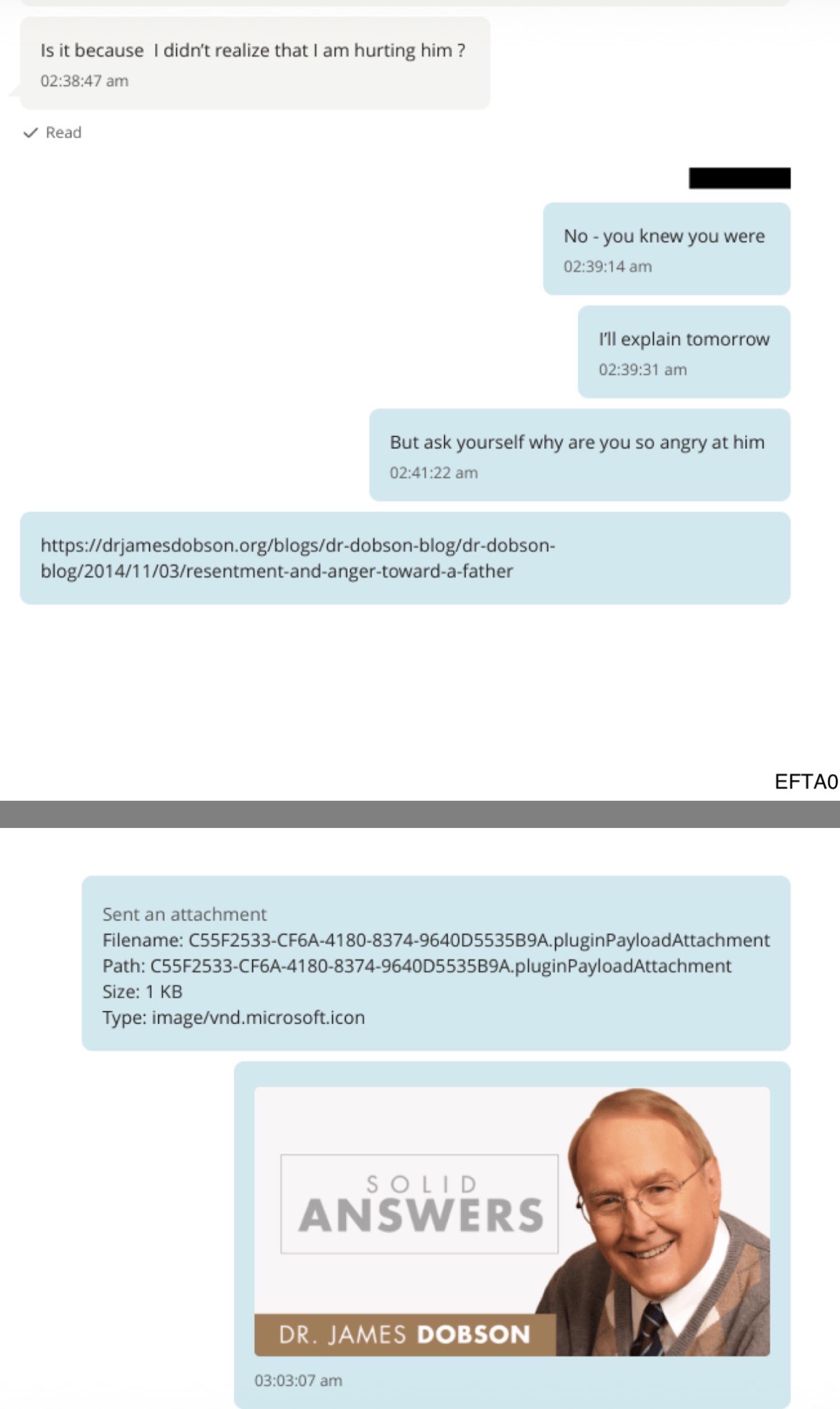
Recently, the Department of Justice released a new batch of files related to the case of known pedophile and political operative Jeffrey Epstein. The day the files were released I (D.L.) searched for James Dobson’s name in the files. While he isn’t on any of the flight logs, a result did come up: a text exchange between Jeffrey and possibly one of his victims. In the exchange Jeffrey admonishes the person for being nice to a stranger but complaining about her dad. He then sends her a link to a James Dobson article on forgiving abusive fathers.
To us at STRONGWILLED, this is not a surprise. We have been making the case that Dobson’s parenting methods and his belief systems cater to serial child predators. So when the world’s most infamous pedophile is sending Dobson articles to encourage his victims to forgive those in power who hurt them, it makes a sick kind of sense.
Pedophiles, or serial child predators, or anyone who is looking to constantly abuse vulnerable people around them, are interested in two things: finding a steady supply of victims, and being able to get away with their crimes. In today’s final installment of our Purity Culture is Pedophile Culture series, we will focus on this last part. If we want to end this epidemic of systemic violence against children, it’s crucial to understand how serial abusers get away with their crimes — which includes exploring how predators use Christian privilege and patriarchal hierarchies to avoid accountability for their crimes.
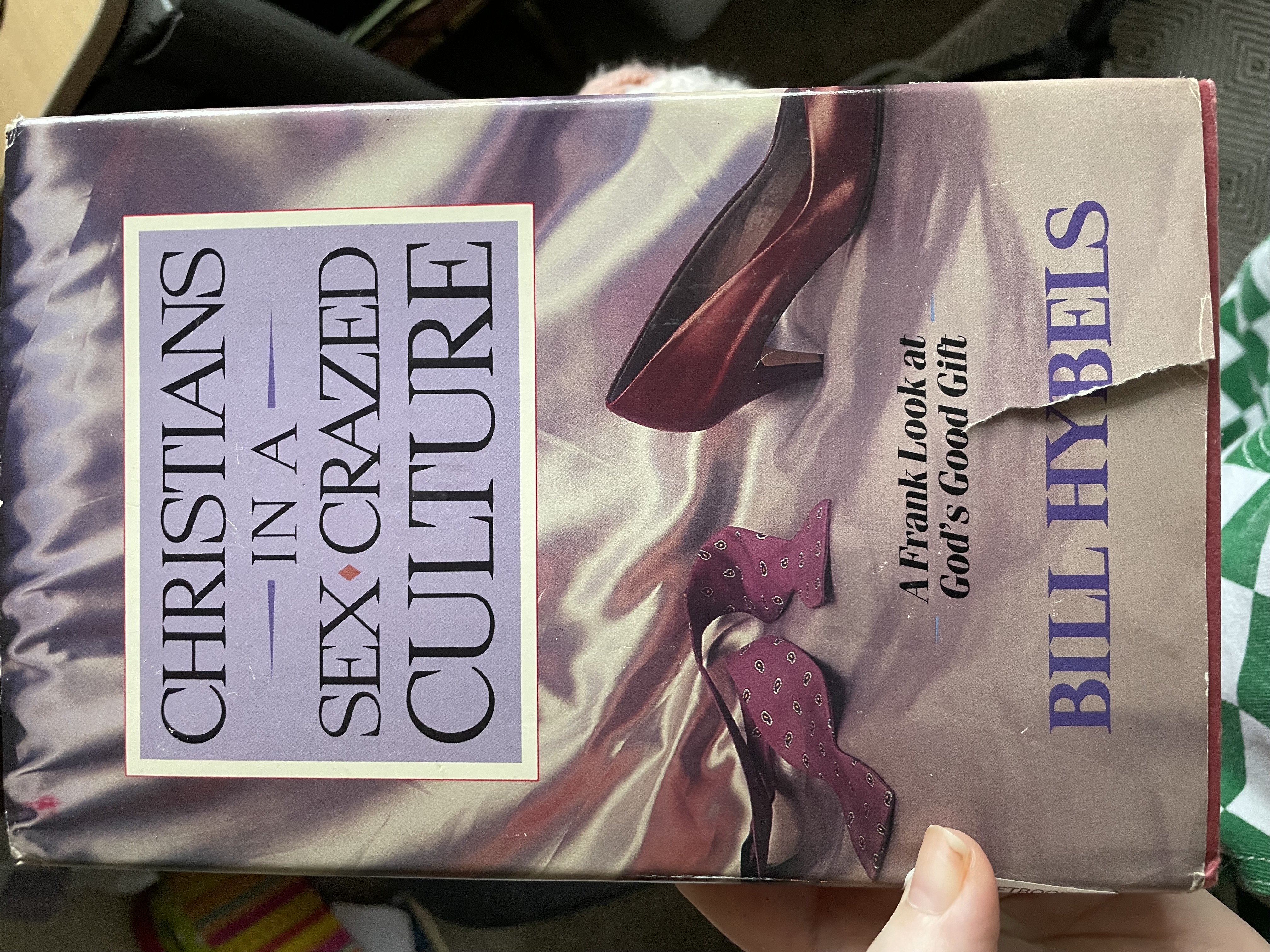
In 1989 rising megachurch star Bill Hybels jumped into capitalizing on the evangelical obsession with sex with his book Christians in a Sex-Crazed Culture. He was 38 years old and the church he founded called Willow Creek in a suburb of Chicago had a weekly attendance of 14,000 people when he published this book. He was a part of the trend to make evangelicals seem cool and hip because, unlike the prudent fundamentalist generation before, they dared to preach about (monogamous, married, heteronormative) sex from the pulpit. But in his book we find some disturbing confessions that reveal how easy it was for people to get away with crimes against children in plain sight — especially if they claimed to be doing it for god.
In this book, Hybels jumped on the anti-pornography bandwagon that was raging throughout Christian publishing, not in any small part due to James Dobson’s obsession with the topic. Indeed, as Hybels writes in this book: “Part of the motivation for this study came out of a lunch I had with James Dobson. He had just finished serving on the Attorney General’s Commission on Pornography.”1
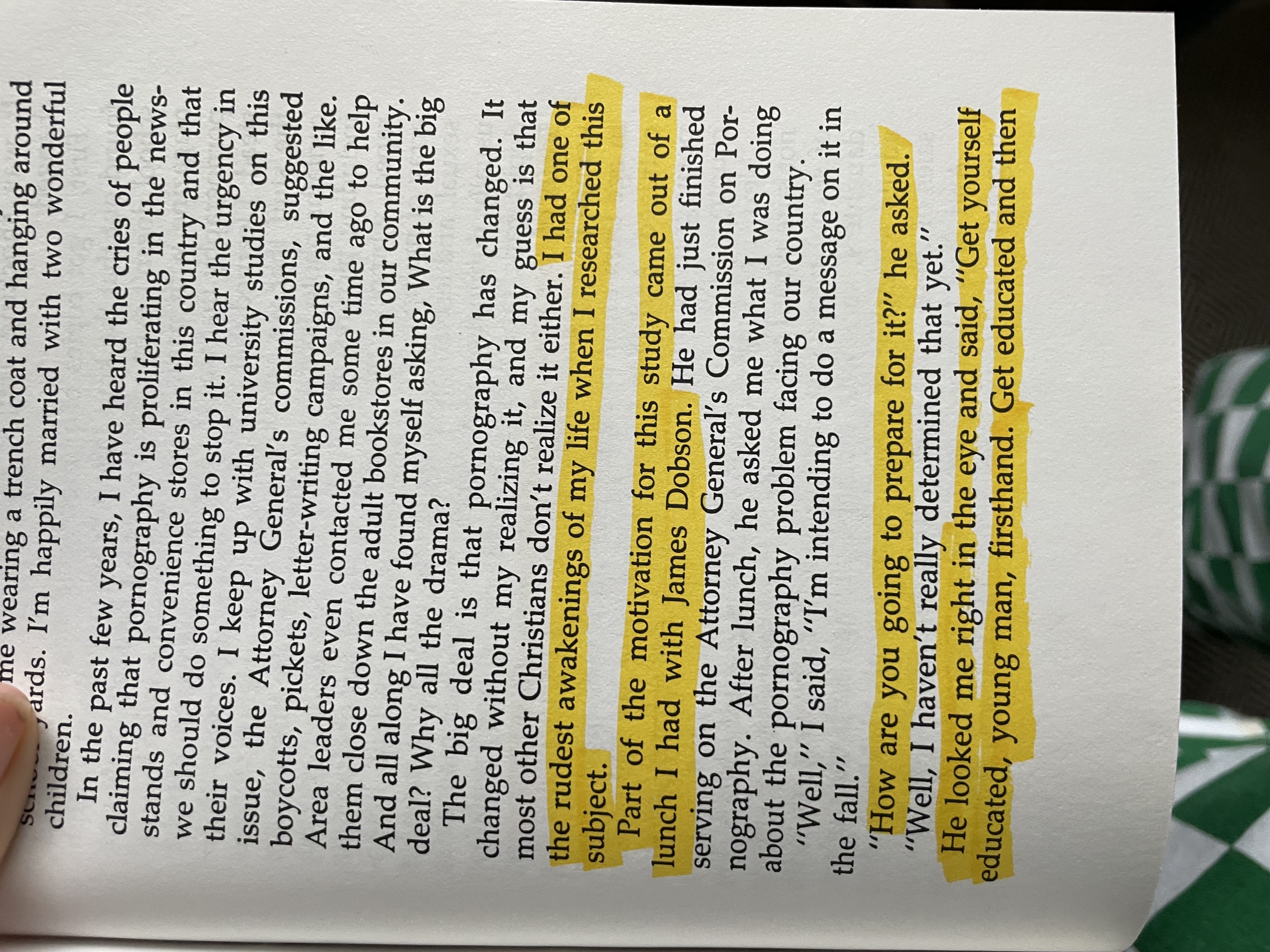
As we made the case in parts 1 and 2 of this series, Dobson had spent a significant amount of his time on the Meese Commission learning about who serial child predators were and how they made the vast majority of child sexual assault materials. The experts agreed it was almost always a family affair, and that fathers, step-fathers, and “pillars of the community” were most often the ones creating, consuming, and sharing child sexual assault materials (CSAM).
But Dobson shared none of that information with Hybels. Instead, “[Dobson] asked me what I was doing about the pornography problem facing our country,” Hybel wrote. “Well,” I said, “I’m intending to do a message on it in the fall.” “How are you going to prepare for it?” he asked. “Well, I haven’t really determined that yet.” He looked me right in the eye and said, “Get yourself educated, young man, firsthand. Get educated and then just do as God leads from that point on.”
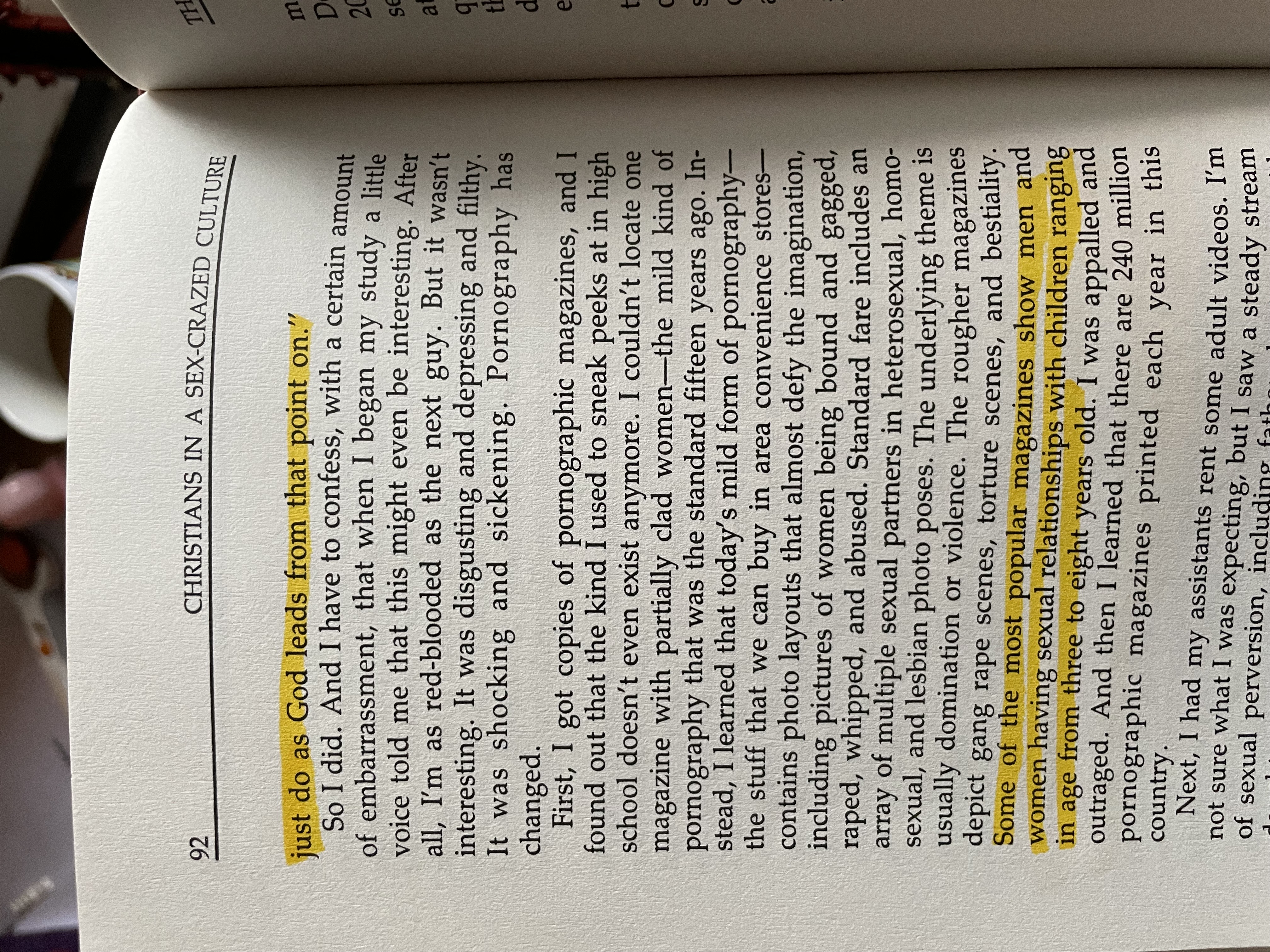
In no world is this sound advice, but to Hybels it lays the basis for his argument on why he needed to watch pornography. What makes this even more disturbing is that Hybels uses this as permission to purchase and watch child sexual assault materials — the very materials that Dobson had been warned about over and over again. Hybels writes that he was as red-blooded as the next guy and he thought this experiment would be interesting. Then he writes:
“Some of the most popular magazines show men and women having sexual relationships with children ranging in age from three to eight years old. I was appalled and outraged. And then I learned that there are 240 million pornographic magazines printed each year in this country. Next, I had my assistants rent some adult videos. I’m not sure what I was expecting, but I saw a steady stream of sexual perversion, including fathers having sex with daughters, sons with mothers, siblings with each other, adults with children, and children with children. And sales of these adult videos are going off the charts.”
In 1989 it was illegal to purchase or own child sexual assault materials. And yet here in his book Hybels openly admits to doing just that — mentioning over six different kinds of CSAM. He believed that he could use the age-old excuse of he was watching these materials for “research” for his sermon series. And it appears that he was right.
This story takes an even more chilling tone when it is revealed that one of the assistants he forced to rent CSAM for him was also being sexually harassed and exploited by Hybels. Pat Baronowski was a single woman who moved into the Hybel’s home in 1985. In a New York Times article in 2018, Pat brought up the incident mentioned in Christians in a Sex-Crazed Culture. “Calling it research, Mr. Hybels once instructed Ms. Baranowski to go out and rent several pornographic videos, she said, to her great embarrassment. He insisted on watching them with her, she said, while he was dressed in a bathrobe.”
Other accusations against Hybels have surfaced, but he declared his innocence and retired from his position as lead pastor of Willow Creek to a standing ovation and a bear hug from popular Christian author Bob Goff. And the reason people like Pat Baranowski didn’t come forward right away about their abuse? As the Times reported: “‘I really did not want to hurt the church,’ said Ms. Baranowski, who is now 65, speaking publicly for the first time. ‘I felt like if this was exposed, this fantastic place would blow up, and I loved the church. I loved the people there. I loved the family. I didn’t want to hurt anybody. And I was ashamed.’”
When the New York Times reported on the allegations of abuse against Bill Hybels in 2018 the Christian writing world was mostly silent. People either had a relationship with Hybels or a member of his family — his daughter, Shauna Neiquist was a popular writer and speaker for Christian women, and his son-in-law Aaron Neiquist is a worship pastor. Hybels was connected to so many people in Christian publishing, the conference circuit, and training pastors in the US and elsewhere. Through the web of relationships and institutions he was connected to, when stories of abuse began to circulate about him, he was able to use his family and his connections to silence and discredit the victims and maintain his innocence. He got away with his abuses of power, because of Christian theology and a web of enablers.
In this story we see the classic patterns of image management strategy for abusers, and it’s worth taking a moment to unpack this story in light of one of the most pressing questions people have when they start to process how many children have been abused in our world: why do so many victims stay silent? Perhaps the Epstein files and the complete and utter lack of accountability or prosecution any of these abusers have faced is in and of itself a good enough explanation. But when we look at the Christian microcosm in particular, there are a few different silencing tactics abusers use.
One avenue is by convincing survivors that the institution of the church is more important than the abuse those individuals suffered. To grow up in a religious authoritarian community — be it evangelicalism, Mormonism, Jehovah’s Witness or other — is to be told constantly about the goodness of God and the men who lead his church. Even in Christian watchdog communities there is a persistent and troubling belief that various abuses within denominations like the Southern Baptist Convention, the ACNA, and the Assemblies of God are bad and need to be brought to light in part because it tarnishes the good work of the church. Abuses must be dealt with so the Christian religion can get back to being the moral standard of the world, or so the thinking goes. While at first glance this seems admirable, it is a belief system that will continue to silence victims who do not fit the mold of the perfect Christian survivor or who point to the systemic nature of the abuse within religious authoritarian frameworks.
Here at STRONGWILLED, we have no desire to protect the goodness of any institution or religion that has abused even one vulnerable person. And upholding Christianity — any denomination or flavor of it — as an unquestionable force of good for the world ultimately works as a silencing tactic for those abused in these systems. Over and over again, throughout the history of organized religion, the supposed good to the institution is used to discredit those who would speak up about their abuse.
But this isn’t the only method used in these systems to silence victims and protect abusers.
Forgiveness. It’s a word deeply embedded in the minds and hearts of children who grew up in religious authoritarian families and church communities. Children are told they were born with a crushing debt of sin to God and the only way to be “clean,” whole, pure, and happy was to admit their sin and ask God for forgiveness. This is the evangelical gospel in a nutshell, and it plants the seeds for abusers to exploit the vulnerable at every turn. Religious communities teach vulnerable young people the supposed goodness and moral superiority of forgiving those who have wronged you, just as Christ forgives individuals. For many of us who grew up in religious authoritarian parenting homes, forgiving perpetrators of abuse became an act of faith in Jesus. To illustrate this, let’s look at a devotional that was written for evangelical tweens and teens by Danae Dobson, daughter of James Dobson himself.
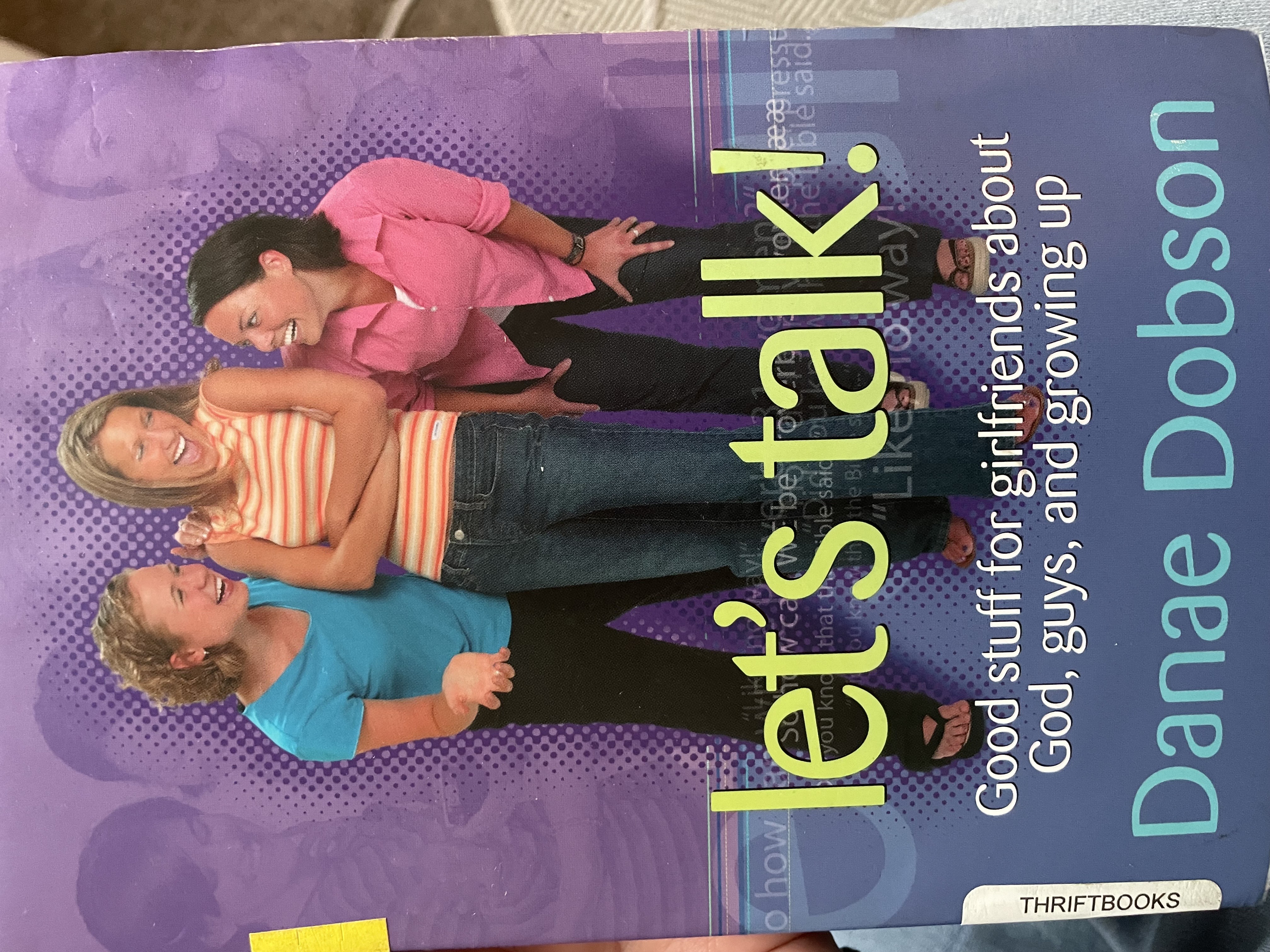
In her book Let’s Talk! Good Stuff for Girlfriends about God, Guys, and Growing Up, published in 2003, Danae wrote a chapter on forgiveness. She shares a story from Matthew about how Jesus said if we don’t forgive others then we won’t be forgiven ourselves. She tells teenagers (and younger) that, “No one will ever sin against you as much as you have sinned against God,” which is why we all need to forgive anyone who hurts us. Danae then explains that not forgiving someone who hurts us creates a prison for us and we become slaves to bitterness and anger, resulting in a life of “pure misery.”
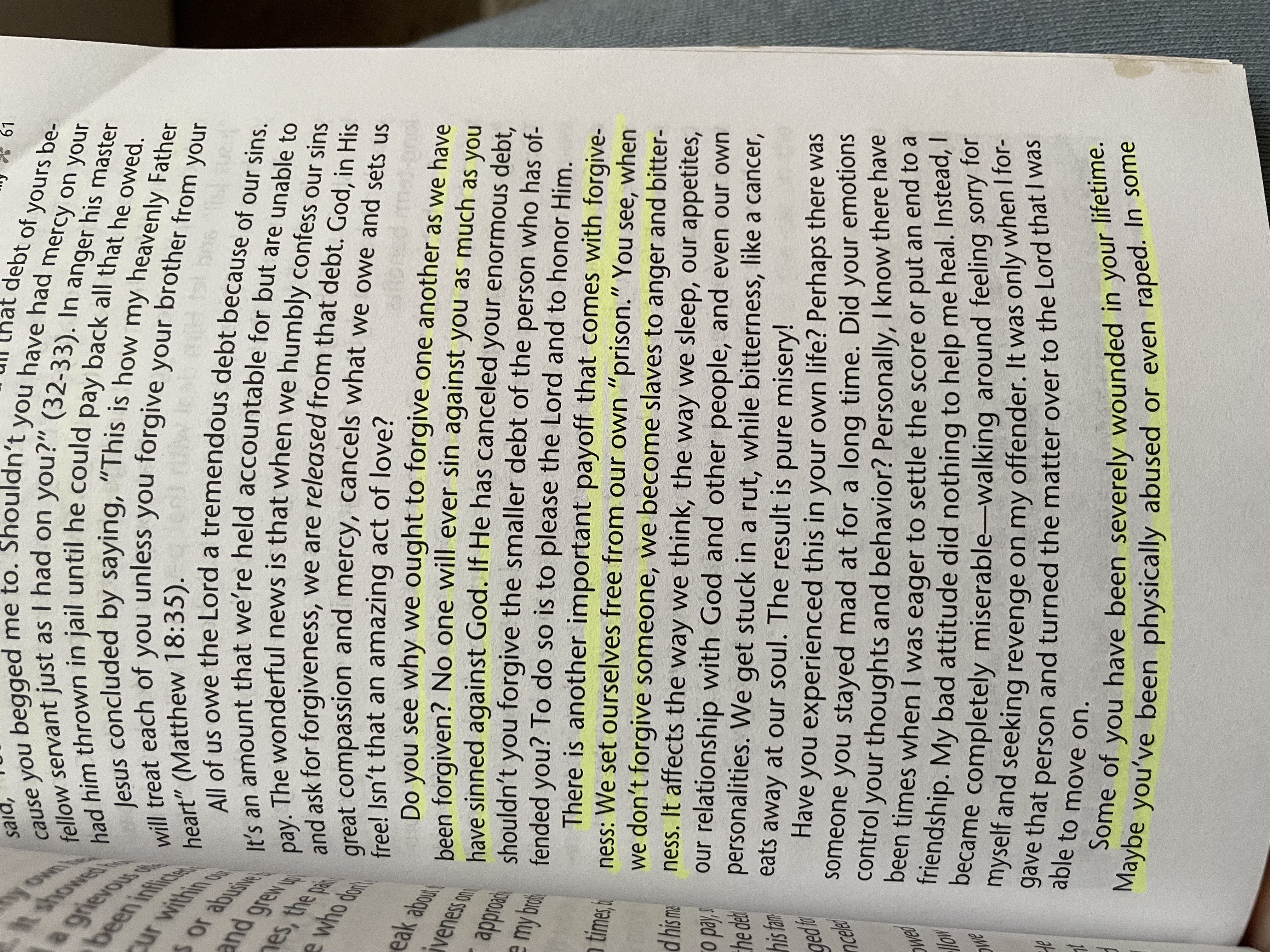
Then Danae does something her father rarely (if ever) did: she acknowledges that intrafamilial sexual violence can and does happen in families, including Christian ones. She writes something that is oddly specific: “Some of you have been severely wounded in your lifetime. Maybe you were even physically abused or raped. In some cases, it happened at the hands of a family member whom you trusted. The pain is so great you think you won’t ever be able to heal, and you certainly can’t forgive him for what he has done.”
In the very next sentence, Danae tells the young girls reading her words this: “My advice? Release it! Let it go. Release your burden to God and set yourself free from the bondage of a bitter heart.” She goes on to quote her pastor who told her to put her abuser in “Jesus jail” meaning that God alone would deal with him. She ends her devotional asking teenagers to think about who they might need to forgive.
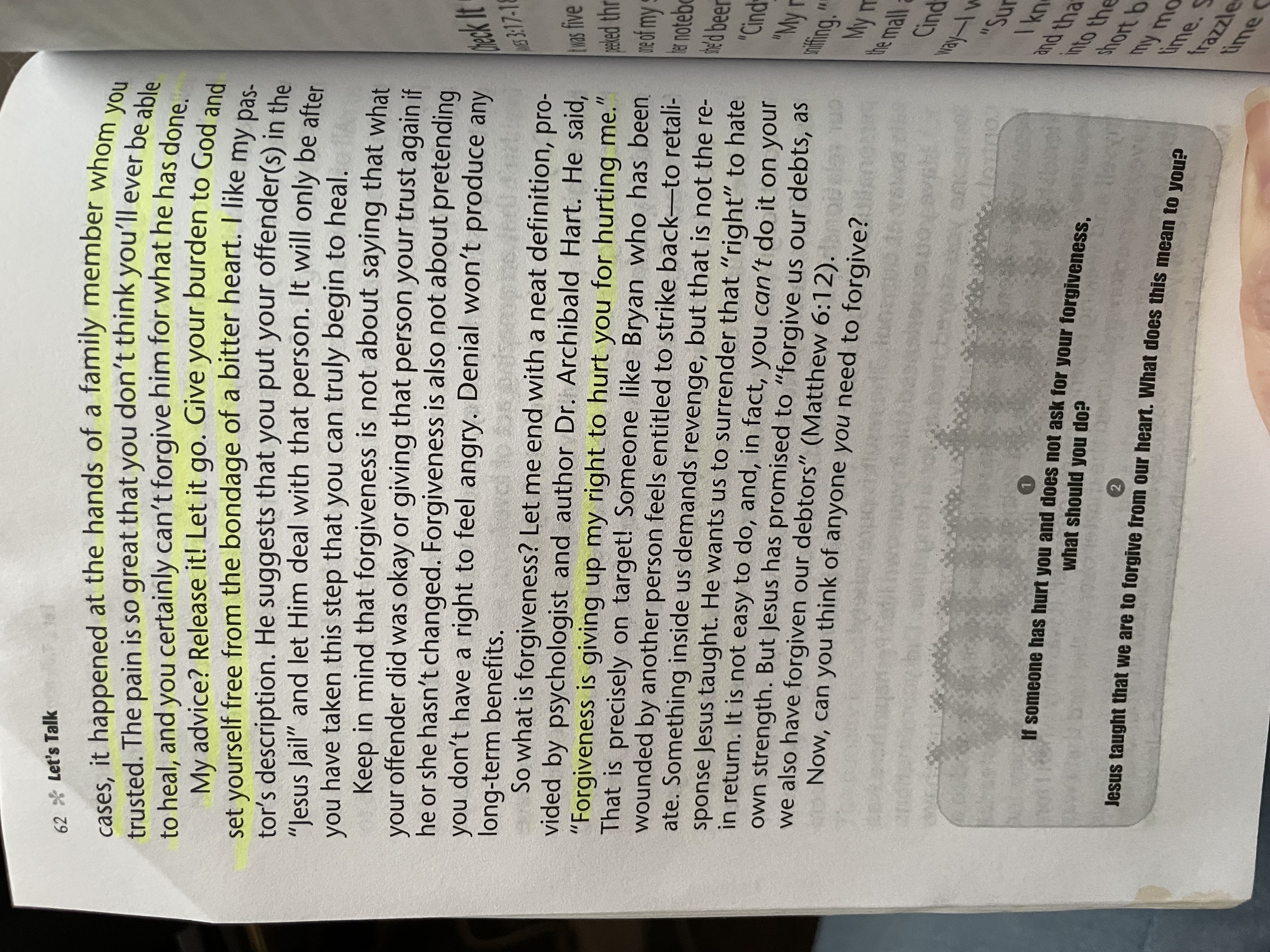
“Jesus jail” is a clear example of how abusers escape real world consequences and accountability, because their crimes are dealt with through a theology that asserts their accountability happened two-thousand years ago. Danae’s book is just one of many examples of how this doctrine of forgiveness is weaponized against vulnerable children, teenagers, and women in particular to convince them to not pursue justice or hold their abusers accountable. When you take into account the books James Dobson wrote convincing parents that their toddlers were dictators and tyrants who deserved swift and immediate punishment and consequences for every act of willful defiance, the difference becomes even more stark. Children are given no grace and no forgiveness without consequences and pain and punishment. But abusive men? All they get is Jesus jail, which is exactly the kind of “punishment” that abusers love, because it enables them to get away with their crimes.
Danae Dobson was a regular contributor to evangelical media for teen girls like Brio magazine and has authored over 40 books — mostly for children and teenage girls. While purity culture authors are mostly men, there are plenty of women who prop up and enable this abusive system that allows serial child predators to get away with their crimes. Danae, just like her father, never recommended reporting physical and sexual abuse to the authorities — just like the vast majority of evangelical authors who write about the topics of keeping children and teenagers sexually pure.
Danae, like so many of the writers aiming their works at teenagers, wrote often about the need to forgive fathers for their sins but that children and teens should always be held responsible for their actions — including if they choose to use substances or wear clothing that is considered immodest which could then lead to them being sexually assaulted.
Another way evangelical communities force forgiveness is through what Sheila Gregoire and others have called “sin leveling.” For religious authoritarians, the threat of hell and eternal damnation is the ultimate way to say that all sins impact God equally. Danae makes this explicit in her book by telling these children that the ways they have sinned against God are worse than any ways a human (including men) could sin against them. If they want to be forgiven by God and go to heaven, then they must make a commitment to forgiving those who abuse them, no matter what.
It’s hard to pick up a devotional or spiritual living book for Christian women, teenagers, and children that doesn’t have some variation on these themes. For people who are suffering, who have been abused, and who are hoping for justice, what they are told time and time again in Christian spaces is that they must forgive in order to feel better. That unforgivenss is a worse sin than raping a child. That wanting to hold people accountable is somehow showing you don’t trust Jesus enough to take care of a person’s heart. That speaking up will hurt the work of the church.
The Christian doctrine of forgiveness has been weaponized by abusive people in countless ways and has led to low rates of disclosure in these communities. Danae Dobson, along with the large number of people in Christian publishing who promote similar messages, are an essential part of keeping abusers in power.
Because training victims not to disclose abuse is the only way these people can offend multiple people and retain their power, wealth, and status in the community – the two things that every serial predator wants.
Privileging and prioritizing Christianity as the ultimate good and promoting the doctrine of forgiveness for abusers are just two examples of how predators get away with their crimes against children and other vulnerable communities in religious authoritarian spaces. It would take a dissertation to unpack all the factors, but these are two we felt worthy of highlighting in light of current conversations on serial child predators.
While this series has been far from exhaustive, we wanted to end today’s post with the acknowledgement that these are difficult and triggering discussions. Part of what we are seeing in our culture as the news about the Epstein files trickles into public consciousness is that people are overwhelmed and despondent about justice being served to abusers in their lifetimes. For people who grew up under religious authoritarianism and who have been discredited and silenced since they were infants and toddlers, it makes sense why this is often our first response to finding out that yet another Christian man has been getting away with abuse.
But the Epstein files are not going to go away. This is not an issue that will be able to be swept under the rug any longer. Christianity, especially the patriarchal forms of it, have hitched their wagons to the helm of Trump and MAGA politics, which is being revealed to be nothing more than a game pedophile billionaires have played with all of us. Christian publishing in particular has an outsized role in conditioning large swaths of the American public to normalize the abuse of children, pedophilic thinking, and creating pathways for abusers to not be held accountable thanks to the doctrine of forgiveness and the protection of Christianity as a beacon of goodness. But those myths are starting to crumble around us in real-time. People are waking up to the patterns of abuse in every sector of our society — be it the media, fashion, entertainment, and religion.
And it’s time to stop forgiving these people. Both the perpetrators themselves and those who enable them. It’s time to start demanding justice. It’s time to make serial child predators afraid again, and to ensure that a religion that boasts of being a force of morality and goodness doesn’t get to claim that label when it has been a harbor for predators for centuries.
Our last post in this series is a guest post by child protection advocate R.L. Stollar on how to report and identify serial child predators and ensure the protection and liberation of children in our communities. For now we wanted to say thank you for reading, sharing, and engaging with this difficult topic. Please take care of yourselves during these triggering times. If you experienced child sexual abuse, it is never too late to reach out and seek support from trained mental health practitioners and safe community members. It is also worth looking into the laws in your state and how they have changed in recent times to make it easier to report abuse and do away with the statute of limitations — even if your abuser has since passed away.
For everyone doing the difficult work of processing the pain of being forced to forgive abusers, we see you and honor you. While this series is far from exhaustive, we believe that it is a starting point for unpacking the ways in which pedophilic thinking has impacted our lives and led to the protection of serial child predators.
Thank you for your support of this topic and this project. We cannot do this work without you.
I first learned about these passages from this blog post: https://www.patheos.com/blogs/lovejoyfeminism/2019/02/bill-hybels-when-being-anti-porn-means-viewing-it.html. ↩