Erica Smith and the Purity Culture Dropout Guide
Learn out the sex education you missed if you grew up in purity culture
Welcome to STRONGWILLED, the multimedia project aimed at helping survivors of religious authoritarian parenting methods develop autonomy and find solidarity.
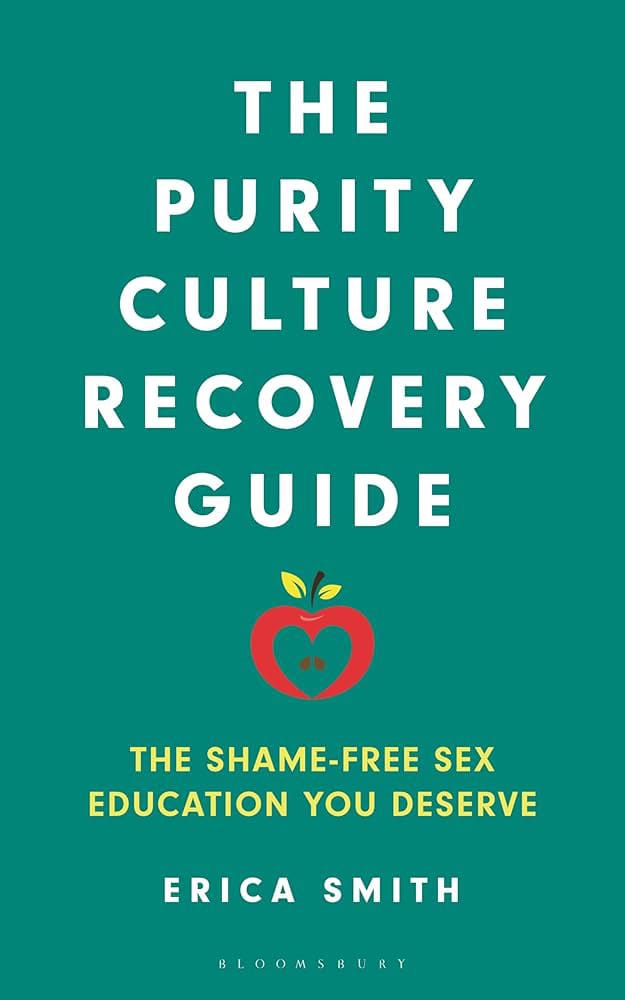
We were so grateful to have a conversation with Erica Smith, sex educator and author of the incredibly helpful new book The Purity Culture Recovery Guide: The Shame-Free Sex Education You Deserve. You can also follow Erica on instagram. You can listen here or find STRONGWILLED wherever you normally get your podcasts.
Krispin talked with Erica about dating after purity culture, feeling like an imposter in queer spaces when you come out late in life, lifelong impacts of being disconnected from your own sense of desire — as well as the top five things Erica found surprising (and disturbing) about purity culture as an outsider who learned about it as an adult.
Trigger warnings:
religious trauma regarding purity culture throughout
Allusions to pedophilia around 15:00
Mention of sexual abuse around 49:00
As always, this is a survivor-led and survivor-supported publication. If you appreciate our work (and our ad-free podcast!) please consider supporting us financially or sharing about the podcast on your social media channels.

Erica Smith and the Purity Culture Dropout Guide
(transcript has been lightly edited for clarity)
Erica Smith
Krispin: Welcome to the Strong-Willed Podcast. Today I’m interviewing Erica Smith, who is a sex educator. She runs the Purity Culture Dropout Program and is the author of a new book, Purity Culture Recovery Guide, the Shame-Free Sex Education You Deserve. Welcome to Strong-Willed.
Erica Smith: Thank you so much. I’m still not used to hearing that. I’m an author. It’s like I just have to sit with it for a second and be like, I did write a book,
Krispin: Well, to be honest, like I knew that your book was coming out, like I knew it was upcoming. But in 2026, I was like, I wanna interview more people, have more conversations, and so you’re the top of the list. And so I was like, I wanna, I wanna interview Erica. Then I was like, oh, and your book is coming out this month. Like, this is just great timing.
Erica Smith: It’s very good timing.
Krispin: We’re, we’re adding it to the press tour, even though you didn’t need a book coming out to be on the Strong-Willed podcast.
Erica Smith: Well, thank you. That’s very kind. I appreciate knowing that.
Krispin: Yeah. Let’s start with what your personal background is. So how did you end up being a sex educator who focuses on purity culture?
Erica Smith: I love this question. It’s gonna require me to sort of walk you through, walk you through my, my early life.
Krispin: Love it.
Erica Smith: So I grew up in a very rural conservative, small town in western Pennsylvania, and I was a teenager in the nineties. So it’s not like I set out to be a sex educator. That’s not a thing that you grow up thinking you’re gonna do, right? It’s not presented as a career option. But from a very young age, I was really interested in gender equality and feminism. And in high school I was educating myself on a lot of things that had to do with feminism and racism. When I was in college, I majored in women’s studies and a lot of those programs are now called Women’s Gender and Sexuality Studies, but at the time it was the Women’s Studies Program. And through that work I discovered that the area that I cared most about, or that I had the most passion for was when we discussed sexuality and reproductive justice and things that had to do with women’s health issues and women’s healthcare. So doing that work, you know, I got my degree and, and some of the, the very first job that I did out of school was I was a sex educator and counselor at an abortion clinic. And that meant, in Pennsylvania, that I would do education sessions for patients so that they knew what they were consenting to. And I would do the sessions prior to their procedure where I would explain everything to them, make sure they were there of their own volition. And of course I encountered the protestors. And this was also at a time when there was a lot of violence against clinics. I worked at this clinic. I worked in abortion care in the very early two thousands. My kind of wild fact is that I was at an abortion clinic working that morning when 9/11 happened. At our clinic, we got fake anthrax in the mail from the Army of God, which for people who might not be aware, was like a anti-choice domestic terrorist organization.
Krispin: Okay. Yeah. I was like, I know the concept of the Army of God as an evangelical.
Erica Smith: Yeah, there’s an old HBO documentary called Soldiers in the Army of God, and I don’t know if you can, I think you can probably find it on YouTube, but all that to say like I was,
Krispin: Wow.
Erica Smith: I was always, I’ve always been a sex educator for my whole career. And I saw the ways that a lack of sex education really hurt people. And I saw clearly who was trying to suppress the information. So the next thing I did for work is I went on to work in, here in Philadelphia, in the juvenile justice system, I did sex education and HIV prevention. And we started losing our funding to abstinence-only programming. And, you know, depending on who was in office. George W. Bush got in office, we lost funding. And by that point we already had research that abstinence-only education was really ineffective. So once again, I was just like, seeing how lack of sex education actually really harmed people, seeing how adequate sex education gave people power to make their own decisions and change their lives in many cases. So the way that I sort of shifted to focusing on purity culture is, it just was this timing that perfectly worked out. I had decided that I wanted to start my own sex education business, and it was right around the time that people really started, like, the wave of deconstruction that we think so much about now, you know, now that there’s like such a term for it, people were starting to come out and say like, “Hey, this, this really affected me and I feel really messed up by it.” And I read Pure by Linda K. Klein, and that was really helpful to me in understanding there’s a whole population that would greatly benefit from targeted education that takes into account their background, their high control religious background. And so that is how I got into this specific niche of sex education.
Krispin: Yeah. Something that I love about your work is, there is, we need a lot of resources around deconstructing and recovering from the trauma. All of those things. And I think that there are a lot of those resources out there. But there aren’t that many resources about, okay, what now?
Erica Smith: Yeah.
Krispin: And I think about my clients that, like, got married at 18 and then got divorced at 30. Yes. And then they’re like, wait, how do I, like, what do I do?
Erica Smith: Yeah.
Krispin: I only have one map for this. Yes. And that. I don’t want to. Yeah.
Erica Smith: That’s exactly why I started under the Purity Culture Dropout. I consider it like an umbrella name for various different offerings and programs. And I started a divorce support group for that exact reason because I was hearing from so many people. “Well, I followed the rules and I got married at 20 and it didn’t work out, and now I’m 35, and what? I don’t know anything about dating. I don’t really know anything about pursuing what I actually want.” So, yeah, that is something I hear from people a lot too.
Krispin: Yeah. What is the difference between a sex therapist and a sex educator, by the way?
Erica Smith: That is a great question. I’m glad you asked because I am always very clear that I’m not a therapist. I don’t want to ever, you know, I don’t want people getting misled. So a therapist, a sex therapist has had clinical training, meaning they have a degree. So people that do sex therapy, they’ve often have a master of social work or a counseling degree or a psychology degree, and they’re licensed by the state. And as an educator, I have a master’s degree in education, but I was not trained to be a clinical practitioner. So what I do, there’s, there’s a bit more freedom with it and I think having therapy in conjunction with working with me is often a really wonderful pairing. But yes, I provide education and like pep talks and coaching. But yes, I am not a therapist.
Krispin: Yeah. And I’ve read your book that is about to come out and it’s just full of lots of really helpful information that part of me was like, do I want to say this on the podcast as a therapist? Like, there’s so much that I didn’t know. And also I was like, this is just the kind of basic stuff that so much of us miss.
Erica Smith: Absolutely.
Krispin: I feel like I should have known this, but I didn’t because I grew up evangelical.
Erica Smith: How would you have known that, right? Like why would you have known that? Yeah and I mean, the material in the book is really a distillation of all of the knowledge I’ve acquired over being a sex educator this long and specifically from my conversations with people who were raised in high control religion. So I had written lots of lessons and resources for my clients, and yeah, it really just made sense to make it more widely available.
Krispin: I want to give you credit. When I say basic knowledge, what I mean is like, there’s a lot of, you have such a depth of knowledge and as I was reading through it, I was like, oh yeah, how to talk to someone about sexual safety. I was like, oh yeah, I didn’t have a framework for that in my head, you know, when it comes to dating, so.
Erica Smith: Well, honestly, even if, like, I know that you have an evangelical background, but even if you didn’t and you went to like a public school and had sort of regular sex education from a gym teacher, you’re not gonna learn about how to communicate with partners. Even the best sex education in schools in this country doesn’t tend to cover that topic. It’s a lot of times, focused just on, here’s how to avoid the bad things that can happen. Here’s how to avoid unintended pregnancy and sexually transmitted infections, but no one is gonna go into depth about how to get yourself comfortable even talking about those subjects with a partner.
Krispin: Yeah. So I thought your book was just really helpful in that regard. And so on this topic of you not growing up evangelical, one of the reasons I really wanted to interview you is because you’re an outsider coming into purity culture.
Erica Smith: I’m so much of an outsider. Yes,
Krispin: Yes. And so what were, I said we could do like a top five, right? So what are the top five things that are just normal to us evangelicals that you were shocked by?
Erica Smith: Oh my gosh. Yes. I’ll preface this by saying, the background I come from, my family considers themselves Christian, but it’s like casually, you know? Like we went to church on Christmas Eve sometimes, and I did not grow up with an idea of God as vengeful or punishing or scary. I grew up with like, oh yeah, everyone goes to heaven when they die unless you are like the worst type of person. Like maybe unless you’re Hitler or like a murderer, you know? That was my understanding of God and I never really thought much about it ‘cause it just wasn’t that big of a deal in my family. So one of the first things that I really had to learn and understand, working with people coming out of evangelical culture is that, that you’re taught that your whole worth lies in your belief in Jesus, and that you are an inherently like, sinful, bad person. And that was news to me, honestly, and that might seem so naive, but I didn’t understand the inner workings of that until I started talking to people that were like, oh my gosh, I totally had OCD as a child because I was so terrified of going to hell. I was terrified of the rapture. I was terrified of my family disappearing, or the fact that I wouldn’t have saved my friends by spreading the gospel. Like that was shocking to me.
Krispin: Yeah. That was what I wrote my first book about, basically.
Erica Smith: Wow.
Krispin: That’s when I was a Christian and I basically was like, I have this feeling like there’s something just like broken. about me at the core. And then I was like, as a therapist, I was like, this doesn’t track with healthy, like, development and psychology and relationships. So I spent, like, years trying to figure out how could the Bible support this and doing all that work. And then eventually came to this point, kind of like what you’re saying, which is like, it’s okay to just believe that you are worthy of love and that you’re an okay person and a good person. But it was sort of on the other side of doing all the like theological contorting to try to figure it out.
Erica Smith: Yes. I have a good friend that I met through this work and she was raised evangelical and I remember her telling me when her belief started to crack is when she had her first child and realized that, “Oh my gosh, I’m supposed to teach this baby that they’re a sinner and that like they are really not worth anything unless they have Jesus in their heart.” And that’s when she was like, I don’t think I can do that. So I have learned so much, so much from my clients, and I tell people almost every time I run a group or do a session with somebody, I will say like, nothing about sex surprises me. I would like to think I’ve heard it all. And I’m not gonna be shocked by anything you wanna share or ask, but it’s when I hear about things that people were taught from their religious communities about sex or a lot of things, that I can’t even fix my face to pretend, it’s not shocking to me. Another one is the normalization of policing even the youngest girls’ bodies by insisting that they cover up their spaghetti straps or their one piece bathing suits at church camp by wearing some big ass t-shirt. The stories I’ve heard of people saying oh yeah, I was eight and I was told that I was showing too much skin. Or one person told me that she was, she was instructed to, when you get dressed in the morning, imagine this elderly pastor looking at you and what would he think? And that was supposed to be like the guidelines she used for getting dressed in the morning. So that is another thing that I was like, yeah absolutely horrified by and shocked by.
Krispin: Yeah, totally. And listeners probably have been tracking along with what we’ve been talking about with the purity culture and pedophile culture overlaps. And yeah, if you’re like, outside of this world, you’re like, what? Yeah. Right.
Erica Smith: Another thing that is similar is the amount of stories I’ve heard where like young girls and young boys weren’t even allowed to be platonic friends in, in some of these churches. The idea of the Christian side hug, like you can’t really even hang out with opposite gender kids. And I know not every person has this experience, but in the more extreme stories I’ve heard. That it’s frowned upon for even like young girls and boys to be close friends.
Krispin: Yeah. Just that rigid gender ideology.
Erica Smith: Yes. And oh my gosh, now more are coming up for me. Another one is like the Billy Graham role. The like, don’t be in a room with somebody who, of the opposite gender, that’s not your spouse. That blows my mind and probably for a lot of reasons, including that I’m a queer person and I’m like, how does that work?
Krispin: Right. Yeah.
Erica Smith: Yeah, imagining people, and I’ve heard so many stories of, I’ve had clients that were like, oh yeah, a man wouldn’t even drive me home from church because I needed a ride. It was late at night, but he would not take me because then he’d be alone in the car with a woman.
Krispin: Yeah. And I think along with that, the way that that has played out in terms of power dynamics and you know, I know other people have done kind of analysis on that. Like, if you’re not allowed to be alone with a woman in a professional setting, like what does that mean for the careers of women?
Erica Smith: Yes. Yes. Another one that I will never get over. This one is like planning your current actions for the benefit of a future spouse that doesn’t exist. So like, don’t cheat on your future husband. You’re only 12, but you have to think of him. And I’m like, holy shit. The fact that, and I know that boys are taught that to some extent, but that, you know, the women I’ve worked with telling me like, I had to write a letter to my future husband promising to stay pure for him. And that they were also taught that if they, you know, kissed or dated or anything before marriage, they were devaluing their future spouse and the future spouse of the person they kissed. So having to like, make decisions now for a hypothetical person that is not in your life. That one was wild to me.
Krispin: Yeah. That sounds very familiar to what I was, was raised with and thought about all the time.
Erica Smith: Yeah.
Krispin: Which then, you know, also sets you up for every single relationship. Is this, is this the person I need to figure it out now?
Erica Smith: Yeah.
Krispin: Yeah. Is this the person I’m gonna commit to for the rest of my life?
Erica Smith: Yeah. I think, exactly on that note, and I know I wrote about this in the book, I was like, how do you date if you were only ever taught to look for marital potential? Like if you’re only looking for a husband or wife and everyone else, you know, you have to figure that out immediately lest you accidentally get too intimate with somebody that’s not meant to be your spouse. And the last one I will say, I am sure that was five, if not more. The last thing that I have learned that makes me feel like a conspiracy theorist, tinfoil hat person when I talk to people who aren’t evangelical or weren’t raised that way, is the amount of organization and planning that has gone into creating the kind of government we’re seeing now, training up young people, and I’m thinking specifically of like the Generation Joshua. And I don’t even know if I fully have an understanding of what that is. But I’ve worked with people that were like, oh yeah, like we were told that we were like young Christian soldiers and that we, you know, we were groomed to go into law and politics with this agenda and that it’s so deep and far reaching. And that, you know, the overturning of Roe v. Wade was so many years in the making. When I learned this, it was really a lot to absorb. And so then I’m trying to tell other people who weren’t raised evangelical, do you know this? And they’re like, what? Yeah. So I feel like I have wild insider information now. And I’m just like, you guys, this has been going on like with so much intention. And so much like careful wide reaching organization. That’s another big one.
Krispin: Yeah. That’s something that I really loved about your book and your work is, I mean, so much sort of like evangelical resources are for one, center Christianity way too much. Like, you know, how can we talk about like, this isn’t true Christianity and you don’t do any of that. You’re just like, you’re just like, this is a religious slash political movement that we need to deal with. And I love that you just like, at the start are like, let’s talk about this on an individual level, but also we’re talking about this because it shapes the, it has shaped the society that we currently live in.
Erica Smith: Yes, I’m glad you appreciate that. Like, I do know that there have been other books that, you know, dismantle a lot of the hard or worse purity culture tenets, but are still faith-based books like that. But still focus on maintaining some sort of biblical sexual ethic. And I think that, I even said directly in the book, like, I couldn’t write a biblical sexual book if I tried ‘cause I don’t know anything about that. You’re not even gonna accidentally get it from me.
Krispin: Yes. I love that. That’s so great. Yeah. I loved hearing the top five most shocking things as an outsider. So. One of the things that you do is you have some support groups. One of the support groups is, sounds like for queer folks that, you know, are purity culture dropouts. And something that you said in the book is that you most often hear from folks that they worry that they’re not actually queer or don’t belong in queer spaces. So they like, join the group, but then they’re like, am I an imposter? And I hear about this a lot from clients and also like our listeners. What would you want to say to people that resonate with that feeling?
Erica Smith: I love getting to work with people that are sitting in that space because I would like to help them understand that you don’t have to come out at a certain age or at a certain point in your life in order to be a queer person. And that in fact, the religion you were raised in was designed to keep you from having that knowledge about yourself. So I always remind people that it’s not just that you understood your identity and didn’t, you know, didn’t wanna deal with it. It’s that, I use the metaphor, like, it’s not like you just didn’t walk through the door. The door wasn’t there, the door was piled up with all kinds of shit in front of it. You couldn’t have seen that door. It was not possible for you at that time. And I like to remind people that, you know, we all have our own pace at which we start to become in tune with our sexuality or our gender. And that doesn’t happen until we’re in somewhat of a safe environment. And so the fact that people, you know, people feel so much shame and embarrassment for being like, I’m just figuring this out and I’m 40. And I’m like, please have compassion for yourself because I have compassion for you. It wasn’t safe for you to contemplate this stuff before. And it’s also like the idea of not being queer enough or looking queer enough, that doesn’t benefit those of us in the community, it benefits the power structures that would rather you just pretend you’re straight and cis. So I, you know, I like to remind people of like, let’s talk about the power structures at play here that prevented you from having this knowledge earlier. And now that you are in a situation where you can begin to ask these questions, it’s okay that you don’t have all the answers. Like, I like to remind people, please don’t compare your coming out journey to that of a child raised by very progressive parents these days, you know? Not all of us had a mom or dad we could tell at like 12 that we thought maybe we weren’t straight, so.
Krispin: Yeah. No, I think that’s, I really appreciate that, and I think it’s just really important to remember that and that compassion piece, you were, I mean, you were indoctrinated. You were in, and you were in this, you were, that was the whole goal of purity culture was not only to raise you that way, but then also to put you in a heterosexual marriage that would keep you from asking those questions as well. Yes.
Erica Smith: And I think, I wanna shout out all of my asexual clients or asexual questioning clients. Because they, I’m sure you get this too in your practice, but I end up working with a lot of people that are like, I don’t know if I’m actually ace or if I have just been traumatized by purity culture. And you know, asexual people aren’t recognized in purity culture either because you’re supposed to, you’re supposed to have a sexual relationship with the opposite sex. You’re supposed to, you know, just go along with that. And that can be so confusing for people that are like, I don’t really feel like this is part of who I am.
Krispin: Right. Yeah. And especially for AFAB folks, right? Where that question of like, “Do I like sex?” doesn’t matter in a purity culture framework. It’s about men’s pleasure and so, I think that that is, yeah, it just makes sense that you could be asexual and that is, in a lot of ways, not, I don’t wanna like, minimize things. I need to be careful how I’m saying this, but like, it’s, it’s a different sexual orientation, but it’s not a dissimilar experience from people that are not asexual in relationships that don’t feel good to them.
Erica Smith: Yes. And this talking point just jogged something in my brain that I wanna also say was absolutely shockingly horrific to me, was learning that evangelical women are often taught they’re not allowed to reject a sexual advance from their husband. Or that sex must be owed to their husband, because of the very fact that they’re a wife. And then, you know, to escalate that, throw in that ridiculous 72 hour rule that, I know Sheila Gregoire has like, identified that it probably came from some Dobson stuff. I don’t know. I’m swearing, am I swearing too much for this podcast?
Krispin: No. You can swear as much as you want.
Erica Smith: Oh my God. I just wanna say shit again.
Krispin: Yeah, do it. No, we swear on this podcast.
Erica Smith: Okay, good, good. But the 72 hour rule, and I’ve worked with women that have told me, oh yeah, I adhered to that for years. I had sex three times a week whether I wanted it or not. Holy crap. Just saying that out loud makes my chest hurt. Like, imagining that level of self abandonment that is taught to women as like, this is what you’re supposed to do.
Krispin: Yeah, exactly. That’s the, yeah, just what you said. Like, women are taught to, to self abandon, to not get in tune with their own sexual desire. So to be ace in that space is like, that’s actually very, very normalized, to be like, you probably won’t want to have sex. Yes. And you’ll have sex anyway.
Erica Smith: And the fact that anyone would call it a duty, it’s a duty. I’m like, is that what we wanna call it? You know, not in any sort of mutually respectful relationship.
Krispin: Yeah, exactly. Oof. Yeah. Well thank you so much for that part. And yeah, I just want to say to everyone listening like, I hope that you hold on to that because there’s so many of us out here who are like, figuring out we’re queer late in life and feeling like imposters and yeah. I love that point of like, who does it benefit to prevent you from identifying that way in whatever way works for you.
Erica Smith: Absolutely.
Krispin: I love that. I’ve heard from a lot of people in our community something like, “I have left evangelicalism and now I’m in the real world and I’m so inexperienced, what do I do and what do I tell the people that I’m dating as I start to get out there, either like dating or casual sex?” For people that are like, okay, like I know that I want to do something different, where do I start?
Erica Smith: I think something that I consider really important to get a handle on before you even start dating is your own sexual values. Thinking about like, what, what am I looking for? What do I wanna experience? What am I comfortable experiencing? What do I actually believe about sex outside of a committed relationship? What do I actually believe about dating for fun? I think that clarifying your personal values and giving yourself a chance to think about your own values is really important here. I have seen people who, they just want to leave the purity culture behind them. And then they get this idea that they have to like, swing the pendulum all the way to the different side. And are like, okay, I’m gonna try everything. I’m gonna, you know, try to have casual sex. I’m gonna date a lot of people. And then they end up feeling like, oh God, I don’t like this either. And yeah, like trial and error is gonna be part of it, but I think clarifying your values and what you’re looking for first is really important. And then when you do begin to date, like. It is okay to be inexperienced. I love giving people who consider themselves like late bloomers or older virgins, and I’m putting that word in quotes, I love helping them, you know, just kind of like build their confidence to begin dating. Nobody is smooth at dating out of the gate. It’s just getting to know other people and deciding whether we wanna get to know them more. And I do believe that it is okay to tell people that you’re new to this if you want them to know that. I know I talk about this in the book too, but I don’t think that it is always necessary to say to every person you meet, like, I have never dated before, or I haven’t had sex with a partner before. My advice on that is like, if you wanna disclose that about yourself because you think it will help the other person understand you better or create a sense of safety or because you’re exchanging intimate information, both of you, and that’s a way, that’s one of the things you want them to know, then I think that’s a great reason to share that. But if you are only gonna tell someone, you know, I haven’t had sex or I haven’t dated much because you feel like a weirdo or like it’s a liability, I don’t think that’s a great reason to share. Because there’s nothing wrong with that. You don’t have to apologize for not having dated or apologize for not having a lot of sexual experience, like, You didn’t do anything wrong.
Krispin: Yeah. I love that. I love that take. And like, it’s just, again, going back to like your own autonomy of what you decide is important to you and I can’t help, as you’re talking about that, thinking about the confessional culture of evangelicalism where you feel like you have to confess all your faults.
Erica Smith: That’s another one. That’s another one. And we talk about that a lot in the queer support group because, you know, on the topic of coming out, so many people have been raised to believe like, I have to tell everyone everything. Or I’m not being honest or accountable. Or it means that if I’m keeping this information private, that it’s a big, bad, shameful secret. So yeah, learning that you’re allowed to have boundaries about what you share with people and that you don’t owe everybody all of the information about yourself, and that includes your level of sexual experience.
Krispin: Yeah. I love that. You were talking about the values and like, starting with finding your values. I’ve heard from folks that are like, I think I kind of know what my values are or what I’m looking to experience, either alone or with a partner. And then when I take that step, this was like in a sexual context, when I do that new sexual thing, I know that I, it’s something that I want to experience, but then my body shuts down. Do you have any advice on where to go from there?
Erica Smith: I do. Your body shutting down, whatever that means in this context, that is information for you, that is information that I would not want you to ignore. You do not need to just push past and think, oh, I’m just gonna keep going anyway and this is gonna be good for me. You absolutely have the right to stop any sexual encounter and, and just take a beat, take a breath. Hopefully you’re with a partner that you can say like, “Hey, this is getting a little too intense for me. I need to take a break. Or I’m feeling a little bit of anxiety. That is an area where I think if you feel comfortable with your, with the partner in question, letting them know, like, this might be, I might need to take this very slow. Or, I’ve dealt with some things in my past that make me have a lot of anxiety around sex, and I’m just letting you know that, ‘cause this is what I need if that moment happens.” I think of it more as, you know, it’s not, it doesn’t mean that you’ve done something wrong and it doesn’t mean there’s anything wrong with you. It’s just like, whoa, this pace is a little too quick. Maybe you can pause it, listen to what you know your body is telling you, which I know is not easy. And yeah, you don’t have to do anything that you’re not ready for. And there are ways that you can build safety into sexual encounters by, you know, letting your partner know, like, if I make this signal, it means I need a moment. I need to stop. I need to be cuddled or whatever.
Krispin: Yeah. And right now I want to just make a pitch to everyone for your book, because this is a lot of the just like concrete stuff that is in your book about like, ‘cause you’ve heard so many of these things from folks, right? And so, there’s some scripts in there about communication. I just thought it was really helpful.
Erica Smith: Thank you.
Krispin: Yeah, as, as I was like hearing questions from folks, I’m like, I just read Erica’s book and she addresses these things in there, so that’s really great.
Erica Smith: I think scripts are great. So there are definitely scripts in the book about how to tell partners things that you’re afraid to share with them. And some of that includes like if you have a history of trauma, if you feel like, you know, a sexual experience is so high stakes that you’re not sure how you’re gonna react to it. And then scripts for just talking about sexual health and stuff.
Krispin: Yeah. Yeah. It’s so great. Speaking of your book, there’s this section with the, there’s a headline in there that I was like, I’m just gonna copy and paste the headline. The heading was, “Help. I feel so judgmental of other people.”
Erica Smith: Yeah.
Krispin: And I hear this from clients all the time where they’re like, I want to be liberated and nonjudgmental, but I can’t help but feeling judgy. Yeah. What do you recommend or like, how do you talk to people about it?
Erica Smith: Everyone is judgy. I am judgy. This is probably not something you can completely eradicate from yourself, because humans evaluate, we evaluate everything around us, our environments by making snap judgements. And that is, you know, because we wanna be safe. So I don’t think that if you’re feeling judgmental about other people’s sexual decision making, that you need to be hard on yourself. What I recommend practicing is like if you have a judgmental thought that you’re like, “Ugh, I just realized that I made a, you know, big assumption. Or I feel real icky because I heard this gossip.” Take a moment to think like, why, why do I feel this way? What is it triggering in me? Because it’s usually something that you feel inadequate about or that you just feel maybe even a little bit envious of, like a person doing something with a lot more freedom that is not accessible to you. And I share that like. Even though I told you I’ve, nothing surprises me about sex and sexuality. I’ve heard of all kinds of things that people are into, but I still make judgments. I just don’t make my judgments the other person’s problem. But I, I definitely, you know, I will hear about things and just think in my mind like, oh my God. Like I could never do that. Or I can’t imagine having that kind of sexual encounter. I just don’t make that judgment, I don’t put it on other people. I stop and think about it. Like, okay, I judged, what’s that about? And it usually comes down to they’re just doing things that I can’t imagine doing or that I don’t have any desire to do. And I think it’s weird. But it’s totally fine for you to think some things are weird and unappealing. That’s how you figure out what you do like and what you are into. Yeah. So I think as long as you don’t go making your judgements everyone else’s problem, and just trying to be a little curious about why, why it’s hitting you in that particular way.
Krispin: Yeah. I love that. That’s really helpful. And yeah, I really like that idea just like, yeah, that’s the human experience is to like, have these snap judgements and get to decide what you like and don’t like. So speaking of kind of getting in touch with what you like and don’t like, purity culture often encourages people to disconnect from their own sense of desire and what they like. And I think in a lot of ways, like we’ve thought about this in terms of like, you know, people use the term libido or something like that, but I was thinking broader, like when someone is disconnected from their own desire, how does that impact, whether their like sexuality or, you know, kind of just experience in the world.What are things you’ve noticed?
Erica Smith: I’ve heard so many people say, “I don’t even know what I want, and I don’t know how to even go about figuring it out because I was never given permission to ever want, like I wasn’t allowed to have desires, you know, everything was pointing me in the direction of like, Jesus will fulfill this or that.” So, yeah, I hear, I hear from people often who are like, I’m not even sure how to figure out what I like. It feels overwhelming that there are options, you know, it feels overwhelming that I’m even allowed to ask myself this question. And yeah, that goes for sexual desires, but also even like, I’m thinking, especially of my divorced clients, where they’re like, I’m allowed to create the kind of life that feels right to me? You mean I don’t have to get married again and have children and do these things? Like I can just, it’s like people are often incredulous, I get to decide how to live my life? It can be so scary.
Krispin: Yeah. Something that I’ve noticed with my clients is, yeah, getting out of a long-term relationship and then instead of asking themselves, what do I want? They end up like maybe dating someone a little bit, and then they’re asking like, can I fulfill the expectations of this person?
Erica Smith: Yes.
Krispin: And I’m like, because that’s just how we were raised. Yes, here’s what’s expected of you, and you need to try to fulfill those expectations. So, they might be dating someone and that person that they’re dating is like, “Hey, here are the things I want in a relationship. And instead of asking like, is that what I want? They’re like, oh, am I able to fulfill that?”
Erica Smith: Right. Totally. I think all the time about people that have told me like, “I am so good at following rules, I excelled at following the rules set out for me as a young Christian.” And when those rules are not in play anymore, there’s often this like, panicky sense of like, somebody tell me what to do. Because I can’t imagine coming up with it on my own.
Krispin: Yeah. Exactly. And I mean, just thinking about purity culture, about our work and like religious authoritarian parenting, like that was the whole project, right? It’s like, we’re not gonna, we don’t want to empower people to pay attention to what they want and like, and desire. It’s just like, how can we make sure people are following the rules of this structure?
Erica Smith: Yes, yes. Yeah. And the crossover between religious authoritarian parenting and purity culture was also a big learning curve for me. You know, understanding how often that goes hand in hand.
Krispin: Yeah. Do you have any concrete suggestions for people that are like, “I’m really out of touch with my sense of my own desire?”
Erica Smith: Hmm. Well, when it comes to sexual desire specifically, I definitely have an answer for that. And I usually encourage people to read about what other people desire and to just approach it with curiosity. There are many books that are, well, there are a couple books that are like collections of women’s sexual fantasies, and there’s also research about sexual fantasy, and then there’s just erotic material. So you know, that could be defined broadly, but I encourage people, why don’t you just pick up a book that includes sexual fantasy or a book that includes romance or, you know, smut or erotica. Smut I use as a positive word, not as a bad word. And, and just ask people to engage a little bit with, with the topic of other people’s sexual desires and see what they feel. Did anything pique your interest? Did anything cause a physical reaction in your body? Like those can be clues to lead you to more clarity about what you actually want. And I always tell people like, there’s so much erotic content out there, it covers so many different kinds of interests. You’re not gonna like everything that you come across, you’re not supposed to. But if you can just sort of approach it with curiosity, like, does this appeal to me? Does it not appeal to me?
Krispin: Yeah. I love that. That’s really great. So yeah, just kind of starting with, which I know for a lot of exvangelicals, they’re like another one of those things where it’s like, I don’t even know where to start, or that these things exist often. So yeah.
Erica Smith: I will say that so many people, and this is a new trend in the last couple years, but the amount of women I work with that read romance novels and like fantasy romance novels and I think it feels safe when you’re reading about maybe mythical creatures or you’re reading about like an alternate reality. It’s a little safer to engage in that content. And that has been for a lot of the women I’ve worked with, like a really great jumping off point. Like, I’m gonna read this book that’s about fairies and they are having sex. And then they’re like, oh, I understand. Like, I feel some desire when I’m reading this book. And yeah, it’s been a wonderful resource for a lot of people, like reading romance novels, erotic novels, even ones that are set in fantasy worlds with non-human creatures.
Krispin: Awesome. Yeah. Thanks so much for that concrete tip.
Erica Smith: Yeah.
Krispin: I have one last question. So, as a therapist, what do you wish all therapists understood about purity culture?
Erica Smith: Oh man. I wish most of you probably feel this way too. I wish more therapists understood that it is, pot has a potential to be a trauma. And even a complex trauma. When I first started doing this work in 2019, it was hard for people to even find therapists that addressed religious trauma. I remember like, you know, trying to look for resources. Luckily there are many more people doing therapy who have education on religious trauma. But I want therapists to know that like purity culture isn’t just, oh, “I was told not to have sex before marriage.” That it can be this, like, deeply complex, interwoven, ingrained set of beliefs about yourself that start from an early age and really can affect so many different aspects of, of how a person functions as an adult. I think to Tina Schermer Sellers, and I’ve love Tina and her work, but she’s the first person I believe that pointed out that people raised with extreme fear and misinformation around sex can exhibit the same issues or symptoms as people who actually did experience childhood sexual abuse. And that purity culture in extreme forms can affect people in the same way that more obvious kinds of sexual abuse can affect them. And hearing that, makes so many people feel validated. And yeah, that’s definitely what I would want therapists to know. Yeah. That it’s not just like, oh, you signed a purity pledge, ha ha.
Krispin: Right. Totally. I mean, I think that that is a journey or progression that I think we’re having culturally.
Erica Smith: Yeah.
Krispin: Even, and I even think about like, D.L. and I and our podcast and like kind of starting with like, oh, like Christian media is funny and like, yeah. It, you know, it’s kind of nostalgic and it’s kind of cringe. Then you go deeper and deeper and you’re like, oh, actually there is a lot here. That’s very harmful. Whether it’s like what you were describing or what you were talking about earlier where like the militarization of the political movement. It’s not just like, oh, that was weird. It’s like, no, this is actually, and now in 2026 we’re like, yeah, this is not weird. This is scary.
Erica Smith: Yeah. This is a sinister project. Way bigger than weird.
Krispin: Yeah. Thank you so much for spending this time with us. Yeah. You have your book coming out, Purity Culture Recovery Guide, the Shame-Free Sex Education You Deserve. Beyond that, where can people find you and follow your work?
Erica Smith: The social media platform that I am most active on is Instagram. I’m also on threads, and my handle is EricaSmith.Educates. Erica spelled with a C. And my website is purityculturedropout.com. So pretty easy to remember. And that’s where you can find information about the different services I offer and how to work with me.
Krispin: Yeah. ‘cause you do support groups and then you also work with people one-on-one. So yeah, I definitely wanna mention those things. ‘cause like you said, we need more resources in the world to support people with these
Erica Smith: And there are even classes, like recordings of classes that folks can download to, on some of the, the major topics that we covered, like sexual communication and pornography and casual sex and dating, things like that.
Krispin: Thank you so much for putting these resources into the world, the work that you do and we’re really excited about this book coming out into the world as well.
Erica Smith: Thank you so much. It was wonderful to have a conversation with you.
Krispin: Thank you. Bye.
Erica Smith: Bye.